Seasonal HVAC Checklist: Spring & Fall Essentials
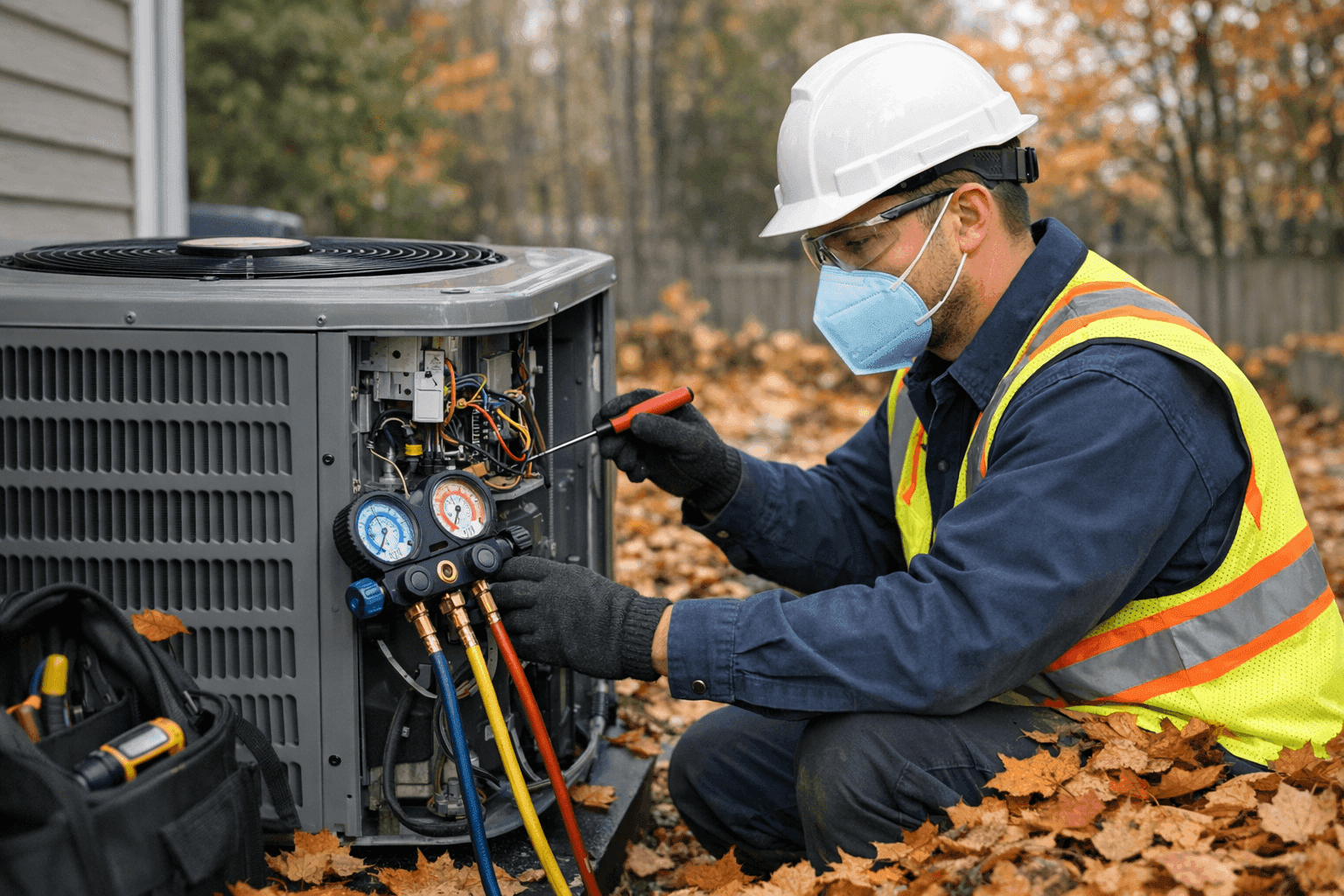
When the seasons change, your HVAC system feels it before you do. That first sticky spring day, or the first crisp autumn morning—your comfort depends on a system that’s ready to work. But is it? Skipping seasonal care is like driving cross-country on bald tires: you might make it, but breakdowns are waiting around the bend.
At Best Indy HVAC, we’ve seen the aftermath of “wait and see.” Instead, we recommend a proactive checklist—one that’s straightforward, safe, and keeps your home or business comfortable, no matter what the weather throws your way.
Why a Seasonal HVAC Checklist Matters
Think of your HVAC system as the heart and lungs of your space. It breathes for you, circulates warmth or cool relief, and filters the air you inhale every day. Just like you wouldn’t ignore a persistent cough or chest pain, you shouldn’t ignore routine maintenance. Tiny issues left unchecked can snowball into major, costly repairs—sometimes at the worst possible time.
A seasonal checklist isn’t about making work. It’s about protecting your investment and ensuring steady, reliable comfort.
Quick Safety Checklist Before You Start ⚠️
Safety first, always. Before rolling up your sleeves, remember:
- Turn off power at the breaker before opening panels or accessing any part of your HVAC system.
- Let components cool down—especially around heating elements or coils.
- Wear gloves and a dust mask when handling filters or cleaning ducts.
- Keep ladders stable and use tools as intended.
If you’re ever unsure, it’s best to call a professional. The U.S. Consumer Product Safety Commission recommends all electrical work be handled by licensed technicians.
Spring HVAC Checklist: Fresh Start for Your System
Spring is a time of renewal—and your HVAC system needs it, too. Here’s what to check as temperatures rise:
- Change or Clean Air Filters: Clogged filters are like trying to run with a stuffy nose. Replace or clean them every 1-3 months, more often with pets or allergies.
- Check Thermostat Settings: Switch over from heating to cooling and test the system. Does it respond quickly? Are settings accurate?
- Clean Outdoor Units: Remove leaves, debris, and grass clippings from around your AC condenser. Keep at least two feet clear for airflow.
- Inspect Refrigerant Lines: Look for frayed insulation or visible leaks. If you spot oil or frost, call for service.
- Clear Drain Lines: Condensate drains can clog with algae or debris. Pour a cup of vinegar down the line to prevent blockages.
- Test System Start-Up: Listen for odd noises or weak airflow. These are early signs of trouble.
Fall HVAC Checklist: Prep for the Chill
As leaves fall and nights cool off, your heating system is about to clock in for the season. Make sure it’s ready:
- Replace Filters Again: Allergens and dust build up over summer. Fresh filters mean fresher air and less strain on your furnace.
- Check Burner Flames: For gas systems, flames should be steady and blue. Yellow or flickering flames can signal combustion problems—call a pro.
- Inspect Heat Exchanger: Cracks or rust can leak dangerous carbon monoxide. This is a job for a certified technician.
- Test Carbon Monoxide Detectors: Replace batteries and confirm alarms work.
- Examine Vents & Flues: Blocked or disconnected vents can back up exhaust gases. Make sure all pathways are clear.
- Lubricate Moving Parts: Blower motors and fans need lubrication for smooth, quiet operation.
Cleaning Coils: The Overlooked Efficiency Booster
Dirty coils can choke the life out of your system. Like dust on a window, grime on coils blocks heat transfer and forces your unit to work harder. Clean evaporator and condenser coils in spring and fall. Use a soft brush or coil cleaner—never pressure wash. For tough buildup, professional cleaning may be needed. The U.S. Department of Energy reports this simple task can improve efficiency by up to 30%.
Filter Changes: The Small Step That Makes a Big Difference
Air filters are the unsung heroes of your indoor air quality. Swap them out regularly, and you’ll breathe easier. Not sure what type you need? Best Indy HVAC can recommend high-performance options—especially if you have allergies, pets, or are interested in air scrubbers or dehumidifiers.
Thermostat Checks: Set It and Forget It? Not Quite
Thermostats are the brain of your system. Take a moment each season to:
- Calibrate settings for accuracy.
- Replace batteries in digital models.
- Consider upgrading to a programmable or smart thermostat for better control and energy savings.
Need help programming or installing a new thermostat? See our hvac specialists for support.
Ducts & Vents: Out of Sight, Out of Mind?
Leaky ducts can waste up to 30% of heated or cooled air according to ENERGY STAR®. Each season, check for:
- Visible gaps or disconnected sections.
- Dust buildup on registers or vents.
- Unusual noises—rattles or whistles can signal leaks.
A professional duct cleaning from Best Indy HVAC can make a world of difference, especially for allergy sufferers.
Signs of Trouble: Don’t Ignore These Red Flags ⚠️
Some problems whisper before they shout. Watch for:
- Odd smells—musty or burning odors.
- Unusual noises—banging, screeching, or rattling.
- Frequent cycling on and off.
- Weak or uneven airflow.
- Unexpected spikes in your utility bill.
Addressing these early can prevent major repairs and downtime.
DIY vs. Call a Pro: Where to Draw the Line
Changing filters and clearing debris? Most homeowners can handle these. But when it comes to electrical work, refrigerant handling, or combustion testing, leave it to licensed technicians. Not only is it safer—it’s required by the U.S. Environmental Protection Agency for refrigerants, and by law for gas and electrical work in most states.
What Professionals Do During a Seasonal Tune-Up
A seasoned HVAC technician does more than a quick once-over. Here’s what you can expect during a professional visit:
- Full inspection of all system components: coils, blower, belts, wiring, and safety controls.
- System performance checks: airflow, temperature, and refrigerant levels.
- Tightening of electrical connections and lubrication of moving parts.
- Testing of safety switches, controls, and pressure readings.
- Recommendations for repairs or upgrades (like Geothermal near you if you’re planning a system replacement).
Professional tune-ups catch problems early, extend equipment life, and ensure your system meets local and national safety codes (such as those from the National Fire Protection Association).
Preventive Care: The Hidden Cost Saver
Each hour your system runs with a dirty filter, clogged drain, or worn part, you’re burning dollars you don’t have to spend. Preventive maintenance helps:
- Lower your monthly utility bills.
- Reduce emergency breakdowns.
- Extend the lifespan of your HVAC system.
- Improve indoor air quality—especially vital for families and businesses.
Costs & Time Factors: What to Expect
Routine maintenance isn’t free, but it’s far less expensive than emergency repairs or early replacement. Most tune-ups take 1–2 hours. If your system needs more extensive repairs or upgrades, your technician will discuss options before any work begins.
Timeline & Disruption: How Long Will It Take?
A standard spring or fall checkup is quick and non-intrusive. While your system is serviced, you may hear some brief noise or notice a temporary shutdown. Most businesses and families experience little to no disruption. For commercial spaces, scheduling after hours is always an option.
Common Mistakes: Avoid These Pitfalls
- Forgetting to check or replace filters.
- Blocking vents with furniture or rugs.
- Ignoring odd sounds or smells.
- Attempting DIY repairs on electrical or gas components.
- Skipping annual tune-ups.
These small missteps can lead to big problems down the road.
When It’s an Emergency: Act Fast
No heat during a winter freeze? AC out in a heatwave? That’s an emergency. Best Indy HVAC offers 24 hour emergency service for those moments when waiting isn’t an option. If you smell gas, hear electrical arcing, or see water pooling near your system, shut it off and call for help immediately.
FAQ: Your Seasonal HVAC Questions Answered
How often should I schedule professional maintenance?
Twice a year—once in spring, once in fall—is ideal. If you have a unique system (like radiant heating or geothermal), check your manufacturer’s recommendations.
Are there signs my system is overdue for a checkup?
Yes. Poor airflow, uneven temperatures, increased dust, and rising energy bills are all clues.
Can I handle maintenance myself?
Some tasks—like filter replacement or clearing debris—are DIY-friendly. For anything involving wiring, gas, or refrigerant, call a professional.
Ready for Reliable Comfort Year-Round?
Don’t wait for the first heatwave or freeze to find out your HVAC system needs help. Whether you’re caring for a busy home, managing a commercial property, or considering upgrades like whole-house fans or air balancing, Best Indy HVAC is here to keep your comfort on track.
For professional AC maintenance, duct cleaning, or a full system health check, we’re just a phone call away.
Call Best Indy HVAC now — or reach us anytime at 855-525-5859 .