Smart Thermostats: Setup, Features & Energy Savings
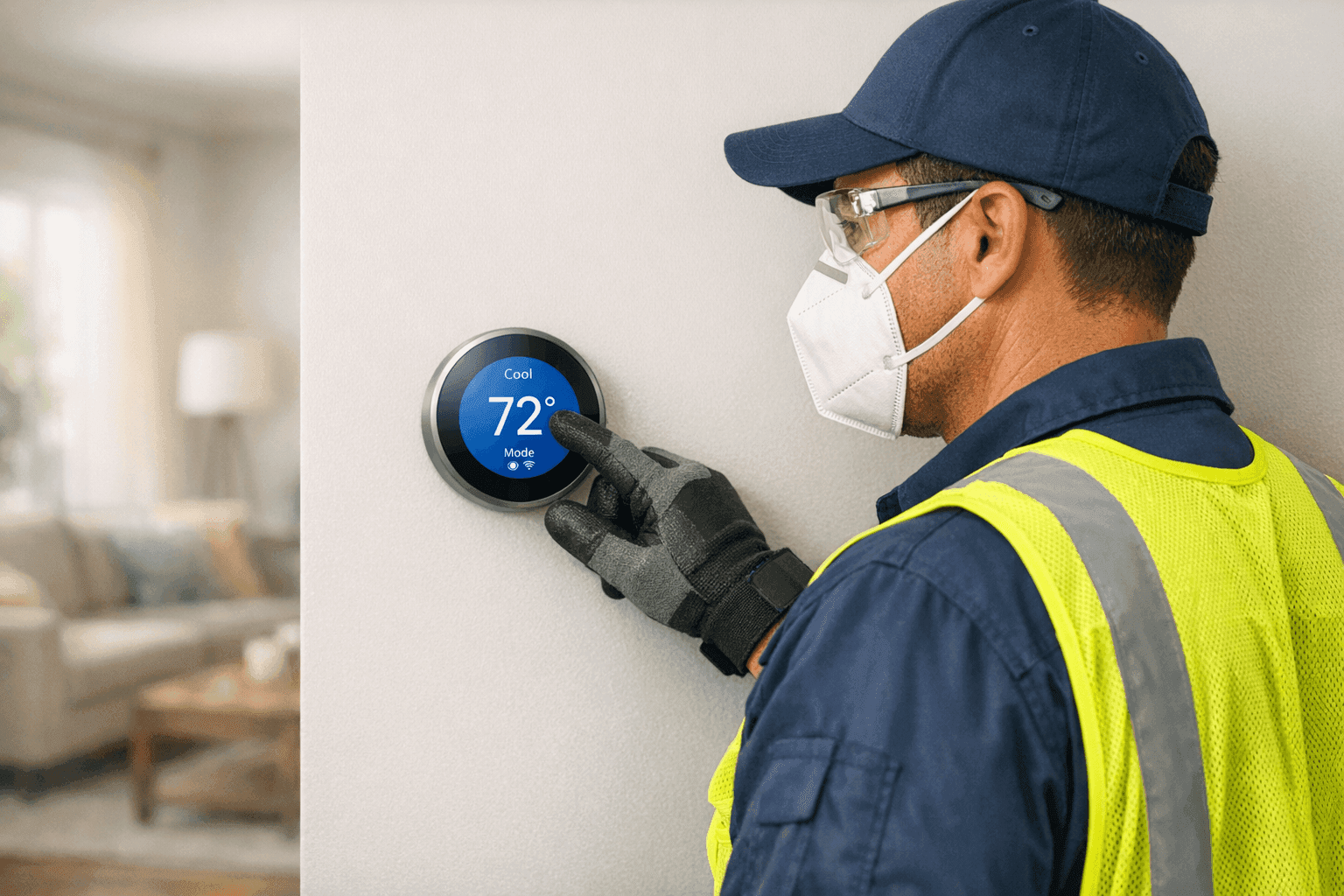
Smart thermostats are changing how homes and businesses control their comfort. You’re probably used to adjusting the temperature by hand or setting a basic schedule. But imagine a system that learns your habits, adapts in real time, and helps trim your energy bills—without you lifting a finger. That’s the promise of smart controls from Best Indy HVAC.
If you’re looking to save money, boost efficiency, or just enjoy a more comfortable space, understanding smart thermostat setup and features is the first step. Let’s break down exactly what you need to know to make the switch—and make it count.
Why Upgrade to a Smart Thermostat?
Think of your old thermostat like a light switch—on or off, with not much in between. Smart thermostats are more like a dimmer: fine-tuned, responsive, and adaptable. They can help you:
- Lower your monthly heating and cooling bills
- Prevent hot and cold spots
- Improve indoor air quality
- Control your HVAC from anywhere
According to the U.S. Department of Energy, a well-programmed thermostat can cut energy costs by up to 10% a year. That’s money back in your pocket.
Compatibility Checks: Will a Smart Thermostat Work With My System? 🧐
Before you get excited about fancy features, make sure your system is compatible. Don’t skip this step—it’s like measuring twice before you cut.
What to check:
- HVAC type: Is your system single-stage, multi-stage, or variable speed?
- Wiring: Most smart thermostats need a “C” (common) wire for constant power.
- Voltage: Standard 24V systems work with most smart thermostats. Line voltage (120V/240V) systems need special models.
If you’re unsure, Best Indy HVAC can help. We’ve seen it all—from old-school furnaces to the latest Geothermal near you.
Safety Checklist Before You Start
Safety matters more than speed. Here’s what to do before touching any wires:
- Flip the breaker to your HVAC system.
- Double-check with a voltage tester.
- Read the installation manual for your thermostat model.
- Keep pets and kids away from the work area.
If anything feels off, don’t risk it. Call a professional.
DIY vs. Pro Installation: What’s Right for You?
Installing a smart thermostat isn’t quite plug-and-play. Simple models are DIY-friendly, but complex systems or commercial spaces call for a pro. Here’s a quick comparison:
- DIY: Good for basic systems, handy homeowners, and clear wiring.
- Pro: Best for heat pumps, Geothermal, multi-zone, or if you want it done right the first time.
A Best Indy HVAC technician will check wiring, confirm compatibility, and double-check for code compliance. We also ensure your smart thermostat talks to your whole system—so you get all the benefits, not just the basics.
Step-by-Step Smart Thermostat Setup
Ready to get started? Here’s how the process usually goes:
- Turn off power to your HVAC at the breaker.
- Remove the old thermostat. Take a picture of the wiring for reference.
- Label each wire with the stickers provided.
- Install the base plate for the new smart thermostat.
- Connect wires to the matching terminals.
- Attach the thermostat display.
- Restore power and follow on-screen setup instructions.
- Connect to Wi-Fi and update firmware if prompted.
- Set your home or business location for accurate weather data.
Don’t forget: every system is different. Always check manufacturer instructions and local codes. The National Electrical Code (NEC) and ASHRAE standards offer additional guidance.
Programming for Energy Savings: Simple Wins
Programming your thermostat is like setting your coffee pot to brew at sunrise—set it once, and let it work for you. Here’s how to get the most savings:
- Set setbacks: Lower the temperature when you’re away or asleep.
- Use geofencing: Let the thermostat adjust when you leave or arrive.
- Seasonal schedules: Adjust for winter and summer routines.
- Adaptive learning: Let the thermostat learn your habits and fine-tune over time.
According to ENERGY STAR, setting your thermostat back 7–10°F for eight hours a day can save up to 10% on heating and cooling.
Key Features That Matter Most
Smart thermostats are packed with features, but which ones actually make a difference?
- Remote control via app
- Voice assistant integration (Alexa, Google Assistant, Siri)
- Energy reports and usage tracking
- Air filter reminders
- Humidity sensors (especially important for radiant heating, humidifiers, and indoor air quality)
- Multi-zone support for larger homes or commercial spaces
Extra bells and whistles are nice. But focus on features that match your needs and your HVAC setup.
Integration With Other Smart Devices
Imagine your thermostat talking to your smart lights, locks, or even your whole security system. Many smart thermostats connect with:
- Smart speakers and displays
- Home automation hubs
- Air scrubbers and dehumidifiers (for better IAQ)
- Whole-house fans and ventilation controls
Integration means more control, less hassle, and a truly connected home or business.
Common Mistakes to Avoid
Even smart gadgets can be tripped up by simple mistakes. Watch out for these:
- Not checking system compatibility (especially with Geothermal, radiant heating, or mini-splits)
- Skipping the C-wire (can cause power issues)
- Placing the thermostat in direct sunlight or drafts
- Ignoring firmware updates
A pro from Best Indy HVAC can spot these issues before they cost you time or comfort.
When to Call for Professional Help
If your home or business uses advanced systems—like radiant heating, ductless mini-splits, or commercial-grade HVAC—installation can get tricky. Call for help if you notice:
- Blank or flashing thermostat screens
- HVAC won’t turn on after install
- Unusual noises or air quality changes
- Error messages or failed connections
You don’t have to go it alone. Our team handles everything from wiring to system balancing.
Real-World Energy Savings: The Data
Are the savings real? Yes. According to studies by the U.S. Environmental Protection Agency and ENERGY STAR, smart thermostats save homeowners an average of $131–$145 per year. Commercial buildings see even bigger results.
Factors that boost savings:
- Tighter schedules and automatic setbacks
- Integration with other HVAC controls
- Regular maintenance and filter changes
Smart controls don’t just cut bills—they support a healthier, more comfortable space.
Seasonal Considerations: Get Ready for Every Weather
Your smart thermostat can help you handle Indiana’s wild weather swings. Set different schedules for:
- Summer: Use higher setbacks during midday heat
- Winter: Lower temps at night and when you’re away
- Spring/Fall: Take advantage of natural ventilation with whole-house fans
Don’t forget: Check batteries and firmware before each new season.
Prevention & Maintenance: Keep Your Smart Thermostat Working Smoothly 🛠
A little attention goes a long way. Here’s how to keep your system sharp:
- Clean around the thermostat—dust can affect sensors
- Check for firmware updates every few months
- Replace air filters on schedule for better efficiency
- Book annual HVAC maintenance with Best Indy HVAC
If you’re searching for dependable hvac services, our team is always ready to help troubleshoot, maintain, or upgrade your thermostat.
Frequently Asked Questions
What if I have an older furnace or AC?
Many smart thermostats support legacy systems, but wiring and voltage need to be checked. Our team can assess your setup and recommend the right model.
Can I use a smart thermostat with Geothermal or radiant heating?
Yes, but compatibility varies. Check manufacturer specs, or let us handle the details for seamless integration.
Are smart thermostats secure?
Major brands use encryption and regular updates, but always use strong passwords and enable two-factor authentication where possible.
Timeline & Disruption: What to Expect
Most installs take under an hour with a professional. Expect brief power loss to your HVAC, and a few minutes of setup for Wi-Fi and programming. For larger or commercial spaces, allow extra time for zoning and system integration.
The Value of Professional Installation
Installing a smart thermostat may seem simple, but it’s the details that count. Professionals handle:
- Safe wiring and mounting
- System compatibility and code compliance
- Initial setup and troubleshooting
- Integration with your complete HVAC system
That’s peace of mind—and long-term comfort.
Ready to upgrade your comfort, save energy, and stay ahead of the curve? For smart thermostat setup, programming, or advice on any HVAC system, the Best Indy HVAC team is here to help.
Call Best Indy HVAC now — or reach us anytime at 855-525-5859 .