Storm-Proofing Your HVAC: Prep Before Disasters Strike
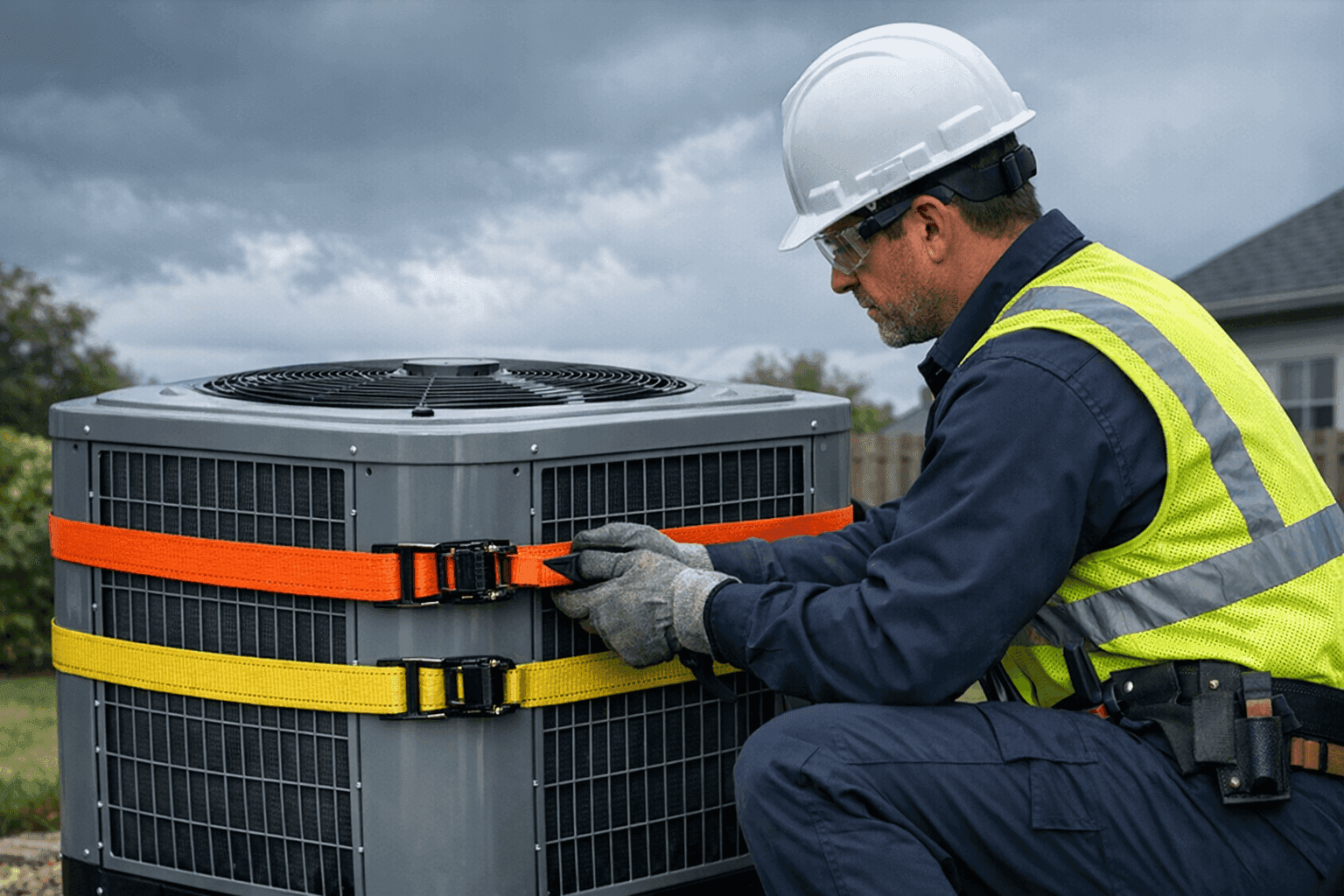
When storms threaten, your home or business can feel like a ship riding out a wild sea. Wind, flood, and power loss all target the heart of your comfort—your HVAC and generator systems. If you’ve ever scrambled as thunder rolled, you know how fast things go sideways.
At Best Indy HVAC, we help folks weather the worst. We’ve seen the difference between quick recovery and costly disaster. Here’s what you need to know—before the dark clouds roll in.
Why Storm-Proofing Your HVAC Matters
Storms don’t just rattle windows—they can sideline your heating, cooling, and even life-saving power systems. In heavy weather, HVAC units are exposed to wind-blown debris, flooding, electrical surges, and more. Quick fixes afterward can be expensive, but a little prep can keep your system running strong.
Imagine your AC or furnace as the lungs of your building. Block those up, and everything else suffers.
Pre-Storm HVAC Checklist 📝
Preparation starts long before the first raindrop. Here’s a quick checklist to help protect your investment:
- Inspect outdoor units. Look for loose panels or debris nearby.
- Secure or cover equipment. Use manufacturer-approved covers—not tarps, which trap moisture.
- Clear drains and gutters. Prevent water from backing up near units.
- Test your generator. Make sure backup power is ready.
- Stock up on filters. Clean air matters when you’re inside for days.
- Review emergency contacts. Know who to call if disaster hits.
Most importantly, don’t wait until the forecast looks grim. Schedule routine maintenance, and ask about storm prep during each seasonal tune-up.
Securing Outdoor HVAC Units
Your outdoor condenser or heat pump can be a sitting duck during storms. Fast winds and flying branches are a real threat.
- Anchor the unit. Most units can be bolted to concrete pads. Ask your technician about local code requirements (like those from the International Mechanical Code).
- Trim nearby trees and shrubs. This limits falling debris.
- Install a surge protector. Lightning can fry your system in a flash.
- Waterproof electrical connections. Use weather-tight fittings.
If you have a geothermal system, check that exterior piping and loop fields are marked and protected. Searching for “Geothermal near you”? We can help with both installation and storm prep for these systems.
Generator and Power Backup Readiness
A standby generator is your safety net when the grid goes dark. But it’s not set-and-forget.
- Run a test cycle monthly. Listen for odd noises.
- Keep fuel stored safely. Rotate gasoline or propane as recommended.
- Check ventilation. Never run a generator indoors or near vents.
- Have a transfer switch installed. This keeps power safe—and up to code.
Need generator installation or maintenance? Visit our generator installation page for service details.
Flooding and HVAC: What to Watch
Water can do more damage than wind. Once submerged, most HVAC units need professional evaluation.
- Raise outdoor units. In flood-prone areas, elevate units above the base flood elevation.
- Seal low-level vents. Prevent water from entering ductwork.
- Document equipment. Take photos for insurance; keep model numbers handy.
If the water’s rising, never turn on a flooded system until a technician inspects it. Electrical shorts or mold are serious risks.
Insurance Considerations for HVAC and Generators
Don’t wait until after the storm to ask, “Am I covered?” Review your policy now.
- Check for flood exclusions. Standard homeowners’ insurance may not cover water damage.
- Look for equipment riders. Some policies offer extra protection for HVAC, generators, and appliances.
- Document upgrades. If you’ve invested in a new geothermal or generator system, let your insurer know.
Keep receipts and service records—these help prove value if you need to file a claim.
After the Storm: Essential Inspections 🧐
Once the skies clear, resist the urge to fire everything back up immediately. Safety first.
- Look for physical damage. Dents, missing panels, or bent fins mean trouble.
- Check for standing water. If you spot puddles around electrical parts, call a pro.
- Inspect filters and ductwork. Debris or moisture can lead to indoor air problems.
- Listen for odd noises. Grinding or rattling signals internal damage.
Have a licensed HVAC contractor perform a full post-storm inspection before restarting major systems.
DIY or Call a Pro? Making the Right Choice
Some prep is safe for handy homeowners. But when it comes to electrical or refrigerant work, bring in a professional.
- Safe DIY: Clearing debris, trimming plants, changing filters.
- Call a pro: Electrical checks, refrigerant handling, major repairs, flood recovery.
Remember, even a small electrical shock can be deadly. Don’t take chances with your safety.
What to Expect from a Professional Storm-Prep Visit
When our team arrives, here’s what we do:
- Inspect all exterior and interior HVAC components.
- Secure and anchor units as needed.
- Test generator and backup systems.
- Check for code compliance (referencing guidelines from the National Fire Protection Association and International Mechanical Code).
- Offer recommendations for upgrades or modifications.
We’ll also walk you through emergency shut-off procedures, so you’re ready if the worst happens.
Preventive Maintenance: The Year-Round Shield
Storm-proofing isn’t just a one-time chore. It’s part of smart, year-round maintenance.
Schedule seasonal checkups for:
- Cleaning coils and checking refrigerant.
- Testing thermostats and controls.
- Inspecting electrical connections.
- Reviewing ventilation and indoor air quality.
See our HVAC Maintenance page for more on building a solid maintenance plan.
Common Mistakes to Avoid
- Using plastic tarps. These can trap water and cause rust.
- Ignoring small repairs. A loose panel today can mean a ruined unit tomorrow.
- Forgetting the generator. Unmaintained generators can fail when you need them most.
- Skipping insurance updates. Don’t wait for a claim to learn you’re underinsured.
Timeline and Disruption: What to Expect
Storm prep doesn’t have to eat up your week. Most steps—like clearing debris and testing backups—can take less than an hour. Larger projects, like raising units or installing surge protection, may require a day or two’s notice.
If a storm hits, quick inspection and careful startup can get you back to normal faster, with less risk of long-term damage.
Materials and Equipment You’ll Need
- Heavy-duty weatherproof covers (approved by your manufacturer)
- Surge protectors
- Sandbags (for flood-prone properties)
- Spare air filters
- Generator fuel (stored safely)
- Basic hand tools
Keep these stored in an easy-to-reach spot, just like you would a flashlight or first-aid kit.
Signs of Trouble After a Storm
Watch for:
- Strange noises or smells when starting up
- No power to thermostat or equipment
- Water stains or rust around units
- High humidity or poor airflow indoors
If any of these pop up, shut things down and call for professional help.
Frequently Asked Questions
Can I use my HVAC during a storm?
Turn off your system if you suspect flooding or lightning strikes. Running it during minor rain is fine, but safety comes first.
What about my geothermal system?
Geothermal systems are often buried and less exposed but still need outdoor components checked. Ask about system-specific storm prep.
Is regular home insurance enough for my HVAC?
Not always. Review your policy for equipment coverage and flood exclusions.
Should I clean ducts after a storm?
If your vents or ducts have taken on water or debris, schedule a cleaning to prevent mold and air quality issues.
Stay Ready, Stay Comfortable
Storms may be unpredictable, but preparation is not. The right steps today can save you from headaches—and big repairs—tomorrow. Storm-proof your HVAC, keep your generator primed, and rest easier knowing you’re ready for whatever nature throws your way.
Call Best Indy HVAC now — or reach us anytime at 855-525-5859 .