UV Air Purifiers: Do They Really Work?
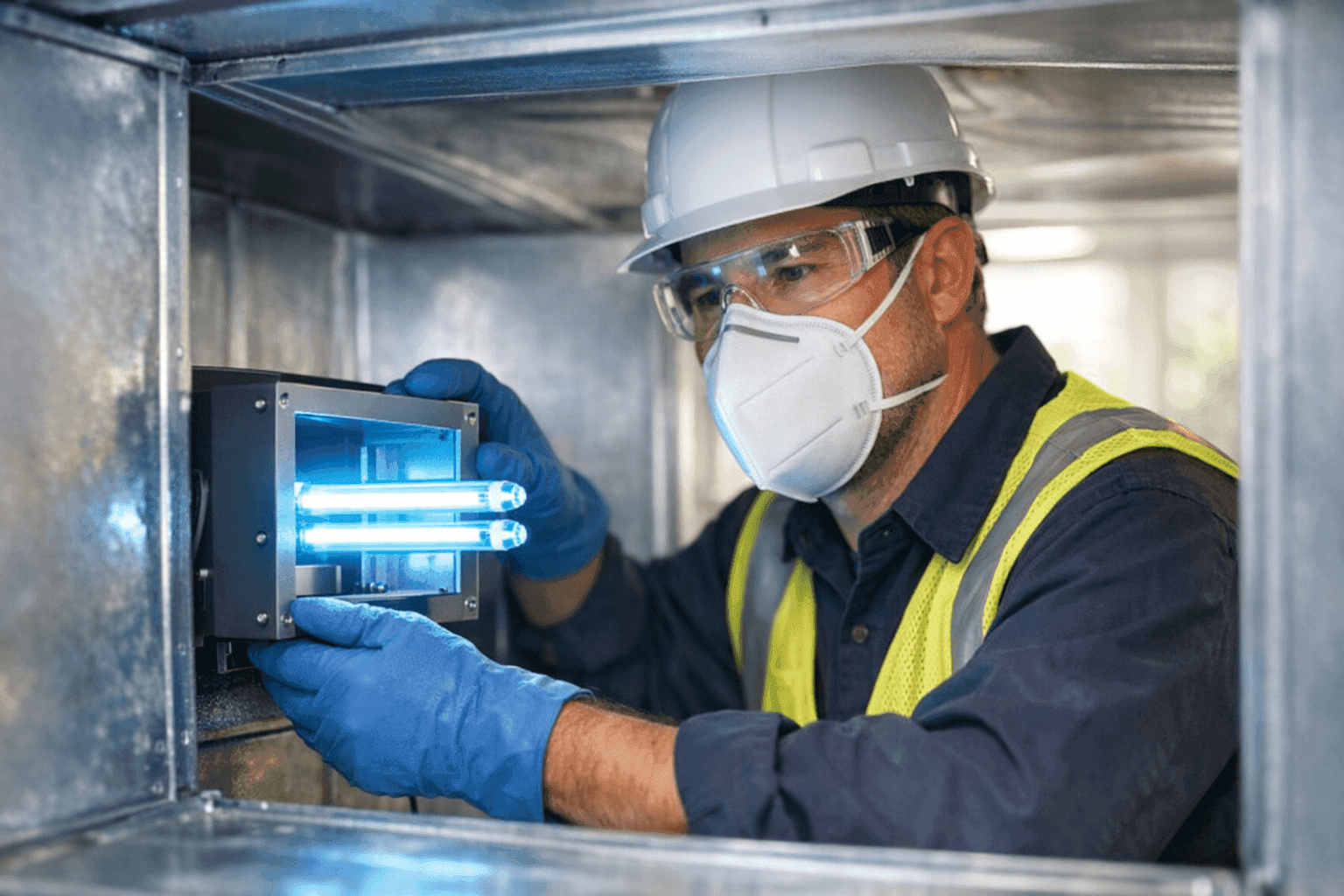
Fresh air. We crave it, especially indoors—where we spend nearly 90% of our lives. But hidden threats like germs, mold, and tiny allergens hitch a ride on airflow in homes and businesses. Maybe you’ve heard about UV air purifiers. Maybe you’re wondering: do they really zap those threats away, or is it just another shiny gadget for your hvac system?
At Best Indy HVAC, we’re not about hype. We dig into real science, industry experience, and what actually works for people in real homes and workplaces. Let’s shed some light—literally—on what UV air purifiers can (and can’t) do.
How UV Air Purifiers Work: Science, Not Magic
Imagine sunlight streaming through your window. It feels good, but invisible ultraviolet (UV) rays are also at work, breaking down unseen particles and killing germs. UV air purifiers use this same concept—focusing powerful UV-C light inside your hvac ductwork or air handler.
Air passes through a chamber where the UV light damages the DNA and RNA of bacteria, viruses, and mold. No complex chemistry, just a light strong enough to stop germs from multiplying. It’s like giving airborne invaders a sunburn they can’t recover from.
- UV-C is the most common type used in hvac systems.
- The light must be intense enough and the air must linger long enough for the process to work.
- No chemicals, no lingering odors.
The Centers for Disease Control and Prevention (CDC) and ASHRAE (the industry’s leading code authority) both recognize UV-C as an effective tool in reducing airborne pathogens—if used right.
What UV Air Purifiers Are Good At (And What They Aren't) 🌟
Let’s clear the air, literally and figuratively. Here’s where UV shines, and where it falls short:
Effective against:
- Bacteria (like staph, E. coli)
- Viruses (influenza, some coronaviruses)
- Mold spores (especially in damp climates)
Not so effective against:
- Dust, pet dander, pollen (these need filters)
- Chemical fumes or VOCs (requires carbon/other filtration)
- Large airborne particles (UV can’t “see” them)
Think of UV as a goalie—it blocks a lot of the germs, but it doesn’t handle the whole game by itself.
Where UV Purification Fits In: Homes, Businesses, and Beyond
Is UV right for your space? It depends on your needs.
- Homes with allergy or asthma sufferers: UV helps reduce mold and bacteria floating in the air.
- Offices, schools, clinics: More people means more germs. UV can knock down the microbial load.
- Basements or humid spaces: Mold growth thrives in darkness—UV helps keep it in check.
- Geothermal near you: If you have a geothermal system, integrating UV into your hvac setup is possible and can boost overall air quality.
For some, UV is a “nice-to-have.” For others—especially those with immune issues—it’s a powerful layer of protection.
Safety First: What You Need to Know About UV Installations
UV light is powerful. That’s why it works. But direct UV-C exposure is harmful to people, plants, and pets.
- Never look directly at an operating UV lamp.
- Units are installed inside ductwork or sealed compartments—out of sight, out of reach.
- Professional installation matters: a loose lamp or misaligned unit is a safety risk.
The National Electrical Code (NEC) and manufacturer instructions must always be followed. Best Indy HVAC’s licensed techs know these codes inside and out.
Maintenance: Keeping Your UV Air Purifier at Peak Performance 🔧
A UV system isn’t “set it and forget it.” Like any hard-working appliance, it needs a little TLC:
- Lamp replacement: Most bulbs last 9-12 months, then lose intensity—even if they still glow.
- Dust and debris: Keep lamps clean (your hvac tech can do this safely during annual maintenance).
- System checks: Electrical connections, timers, and safety interlocks should be tested regularly.
Set reminders or ask your service provider to include UV checks in your regular HVAC Maintenance visits.
Can You DIY a UV Air Purifier? The Real Risks
Home improvement big box stores sell “plug and play” UV kits. But is it smart to install one yourself?
- Electrical hazard: UV units tie into your hvac’s power supply—shock risk is real.
- Improper placement: Poorly installed UV won’t treat enough air, or might damage plastic/rubber inside your system.
- Warranty worries: Many hvac manufacturers require pro installation to keep warranties valid.
For most, calling a professional is peace of mind. Trained hvac specialists know the ins and outs.
What to Expect: The Pro’s Approach on Installation Day
When Best Indy HVAC arrives for a UV air purifier install, here’s the game plan:
- Assessment: We check your existing hvac setup, airflow, and problem areas.
- Sizing: Matching the right UV unit to your system—too small and it’s pointless, too big and it wastes energy.
- Placement: UV lamps go where they’re most effective—usually near the coil or main supply plenum.
- Wiring and safety: We wire the unit to code, test safety switches, and confirm zero UV leakage.
- Walkthrough: You get a quick lesson on operation and maintenance.
Minimal disruption. Maximum impact.
The Costs: Budgeting for Clean Air
UV air purifiers are an investment—think $400–$1,200 installed, depending on your system’s size and complexity.
- Residential systems: Usually on the lower end.
- Commercial or large homes: Higher, with multiple units sometimes needed.
- Annual upkeep: Replacement bulbs typically cost $70–$150.
Compared to repeated illnesses or mold remediation, many see it as smart prevention.
When Is a UV Air Purifier an Emergency Upgrade?
Most people consider UV after a scare: someone sick at home, mold in the vents, or a musty smell that won’t quit. If your building has had water damage, or you’re dealing with chronic allergies or unexplained respiratory symptoms, don’t wait. Get your hvac system checked and ask about UV options.
Common Myths About UV Air Purifiers (Busted)
-
Myth: “They kill everything instantly.”
Fact: Some germs need a few passes to be neutralized—airflow speed matters. -
Myth: “I don't need filters if I have UV.”
Fact: Filters and UV work hand-in-hand. Filters trap particles; UV disables pathogens. -
Myth: “It’ll get rid of all odors.”
Fact: UV doesn’t affect most odors—activated carbon or air scrubbers are better here.
Signs Your UV System Needs Service
- You notice persistent smells or mold returns.
- The bulb is out or flickering.
- Allergy symptoms get worse.
- Your hvac system is cycling more often (could mean airflow is blocked or lamp is dirty).
Don’t ignore these red flags. Regular checkups catch issues before they grow.
The Role of UV in a Complete Indoor Air Quality Strategy
No one solution fits all. UV works best as part of a layered approach:
- HEPA or MERV-rated filters trap dust, pollen, and dander.
- UV neutralizes microbes and mold.
- Air scrubbers and dehumidifiers control odors and moisture.
- Geothermal and energy audits can help optimize your system for year-round comfort and air health.
A balanced system is like a good team—each part plays its role.
Alternatives to UV: What Else Works?
- High-efficiency filters: MERV 13+ filter out fine particles and some bacteria.
- Ionizers: Electrify particles to clump them for easier filtering (but can create ozone).
- Air scrubbers: Use multiple technologies, including filters, UV, and photocatalytic oxidation.
- Humidity control: Mold hates dry air. Dehumidifiers help a lot.
- Regular duct cleaning: Keeps dust and biological growth at bay.
Ask a qualified hvac contractor to evaluate what’s best for your space.
Staying Safe: Codes, Guidelines, and Industry Standards 📚
- ASHRAE Standard 185.1 covers UV-C effectiveness for air disinfection.
- EPA provides guidance on indoor air cleaners and UV safety.
- Manufacturer instructions are non-negotiable—always follow them.
- For business owners, OSHA may require documentation of air quality improvements.
Licensed professionals keep up with code changes so you don’t have to.
Seasonal Factors: When to Install or Service UV Systems
Spring and fall are ideal: your hvac isn’t running full-tilt, and it’s easier to access ductwork. But emergencies don’t wait for good weather. If you’re dealing with mold, severe allergies, or post-illness recovery, schedule service ASAP.
UV Air Purifiers in the Real World: What Customers Say
Some homeowners notice fewer colds, less dust, and easier breathing after adding UV. Businesses report fewer sick days and complaints about musty smells. Not every case is dramatic, but when combined with solid hvac maintenance, UV makes a difference you can feel.
Is a UV Air Purifier Worth It for You?
Think of a UV air purifier as one tool in your indoor air quality toolbox. It’s not a miracle cure, but for many homes and businesses—especially those with health concerns—it’s a smart, science-backed upgrade. If you’re already investing in clean, efficient heating and cooling, adding UV can help protect that investment.
Want to talk options, or need a quote on UV or geothermal systems? Best Indy HVAC has you covered. If you’re searching for an hvac company you can count on, we’re ready to help.
Call Best Indy HVAC now — or reach us anytime at 855-525-5859 .