Ventilation 101: Why Fresh Air Matters Indoors
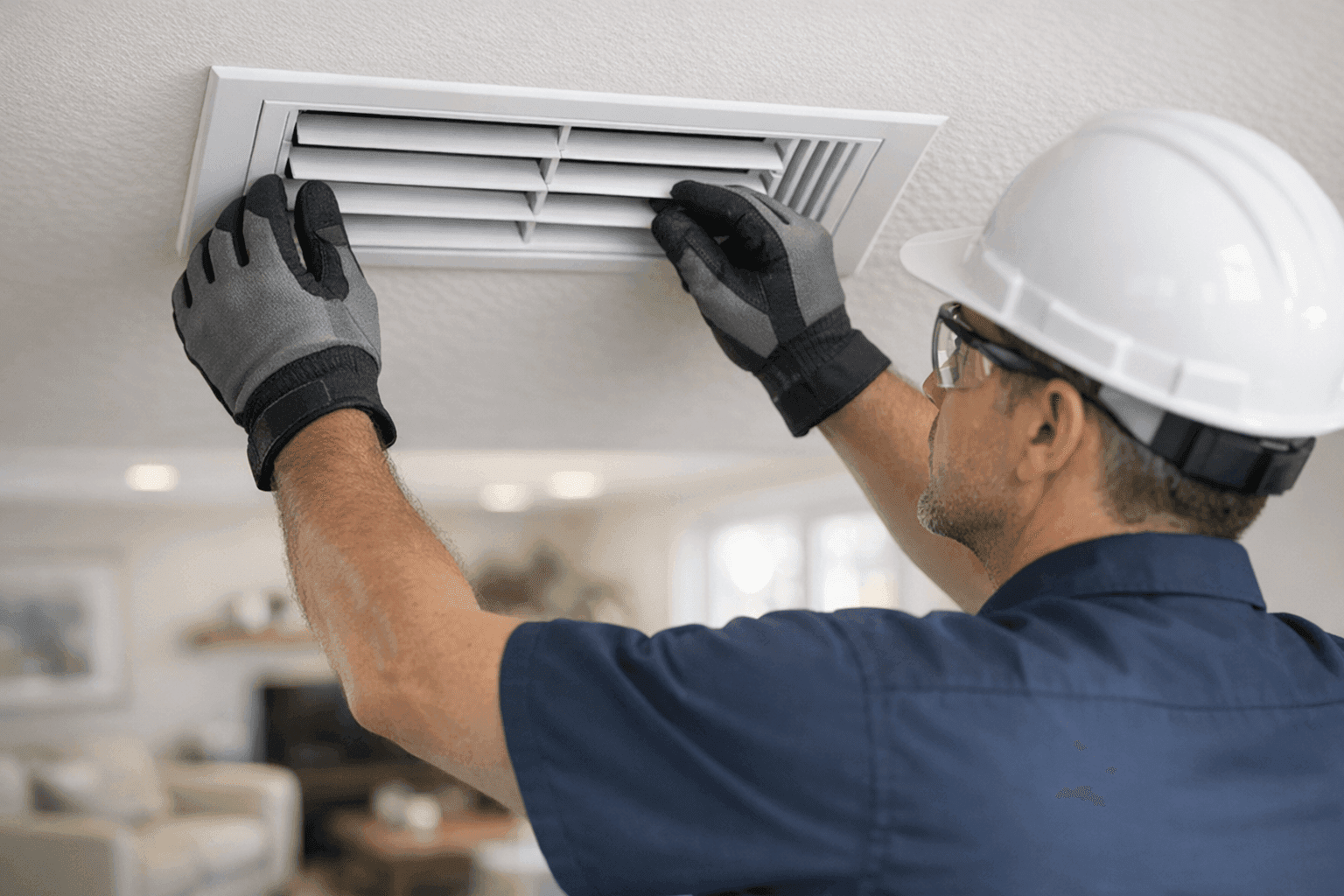
Ever walk into a room and feel the air is just... stale? Maybe it’s a lingering smell after last night’s dinner, or the stuffiness that makes you want to fling open a window—even in the middle of winter. At Best Indy HVAC, we get it. Fresh air isn’t just about comfort. It’s about health, productivity, and protecting your investment.
Proper ventilation is the unsung hero of any comfortable space. Whether you’re running a busy office or relaxing at home, the air you breathe matters. Let’s dig into why—and how to keep it healthy all year long.
What Is Ventilation? Breathing Room for Your Building
Ventilation is like your building’s set of lungs. It’s the process of bringing in fresh outdoor air and letting stale, polluted air escape. Without it, contaminants, moisture, and odors build up. Think of it as swapping out dirty dishwater for clean—essential for a fresh start.
Why Fresh Air Indoors Matters: More Than Just Comfort
You can’t see it, but indoor air can get crowded with invisible guests: dust, pollen, chemicals, and even germs. According to the Environmental Protection Agency (EPA), indoor air can be up to five times more polluted than the air outside. That’s a big deal for your health, especially for kids, seniors, or anyone with allergies.
Poor ventilation can lead to:
- Headaches and fatigue
- Worsened asthma or allergies
- Lingering odors
- Mold and mildew
- Lower work productivity
Types of Ventilation: Natural vs. Mechanical 🌬️
Natural Ventilation: Let the Breeze In
This is as old-school as it gets. Opening windows and doors lets outside air flow inside. It’s free, but weather and outdoor air quality can make it unreliable. Plus, in modern, tightly sealed buildings, you can’t always count on a natural breeze.
Mechanical Ventilation: The Modern Solution
Mechanical systems use fans and ducts to circulate air. These range from simple exhaust fans in bathrooms to whole-house ventilation systems. Mechanical ventilation gives you more control—crucial for both homes and businesses.
Examples of Mechanical Systems:
- Bathroom and kitchen exhaust fans
- Energy recovery ventilators (ERVs)
- Heat recovery ventilators (HRVs)
- Dedicated outdoor air systems (DOAS)
When Should You Upgrade Your Ventilation System?
Just like shoes, ventilation systems wear out. But how do you know when it’s time for something new? Watch for these signs:
- Stale or musty odors that don’t go away
- Condensation on windows or walls
- Frequent headaches or allergy flare-ups
- Uneven temperatures or stuffy rooms
If you’re remodeling, adding square footage, or upgrading to energy-efficient windows, it’s a smart time to assess your ventilation. New standards—like those from ASHRAE (American Society of Heating, Refrigerating and Air-Conditioning Engineers)—recommend specific fresh air rates for healthy indoor environments.
How Ventilation Impacts Indoor Air Quality (IAQ)
Think of IAQ as the report card for your indoor environment. Good ventilation can:
- Dilute and remove pollutants
- Control humidity (which keeps mold at bay)
- Balance temperatures
- Reduce the spread of airborne viruses
On the flip side, poor airflow leads to stuffy, unhealthy spaces where dust and germs linger. That’s not just uncomfortable—it can be dangerous.
Common Ventilation Problems: What’s Lurking in the Air?
Humidity Headaches
Too much moisture makes your space feel sticky and invites mold. Too little can dry out skin, eyes, and even your furniture. Balanced ventilation helps keep humidity in check.
Odors That Won’t Quit
Cooking smells, pet odors, or mustiness can hang around like unwanted guests. This usually means stale air isn’t being replaced fast enough.
Unbalanced Airflow
Ever notice one room is freezing while another feels like a sauna? That’s often a sign your system isn’t distributing air evenly.
Quick Safety Checklist: Is Your Ventilation Up to Code?
- Check for visible mold or water stains
- Make sure vents aren’t blocked by furniture or dust
- Listen for unusual noises from fans or ducts
- Replace filters regularly (monthly or as recommended)
- Inspect bathroom and kitchen exhausts—do they work?
Building codes in most areas require minimum ventilation rates. For commercial spaces, OSHA and ASHRAE set clear guidelines. Don’t risk non-compliance—or your health.
DIY vs. Call a Pro: What You Can (and Can’t) Fix Yourself
Some ventilation fixes are straightforward. Others need a professional touch.
DIY Tasks
- Open windows when weather allows
- Clean or replace air filters
- Wipe down vent covers
- Use exhaust fans during cooking or showers
When to Call Best Indy HVAC
- If you notice persistent humidity, mold, or odors
- For duct cleaning or mechanical system inspection
- When planning a remodel or energy upgrade
- If you need to meet specific IAQ or safety standards
Professionals can assess airflow, test for contaminants, and recommend the right upgrades—like air scrubbers, dehumidifiers, or balanced ventilation systems. Want to know more about our geothermal and energy-efficient solutions? We’re here to help.
What Pros Do on Arrival
When our team shows up, we:
- Inspect your current system (ducts, fans, filters)
- Measure airflow and pressure balance
- Check for leaks, blockages, and compliance with ASHRAE standards
- Suggest practical improvements (sometimes simple, sometimes high-tech)
Prevention & Maintenance: Keep Air Moving All Year
- Schedule seasonal HVAC maintenance (spring and fall are best)
- Replace or clean filters on schedule
- Use a programmable thermostat to balance air movement and save energy
- Ask about whole-house fans or energy recovery ventilators for efficiency
Regular checkups extend the life of your system and keep your air healthy.
Costs & Time Factors: What Should You Expect?
Simple fixes (like replacing filters) are inexpensive and quick. Larger upgrades—like installing a balanced ventilation system—take more planning and investment but pay off in air quality and comfort. Most residential upgrades are completed within a day or two.
When It’s an Emergency
If you ever smell burning, see visible mold, or experience severe allergy symptoms, it’s time to act fast. Airborne hazards can escalate quickly. Our team offers 24-hour emergency service to restore safe, breathable air.
Seasonal Considerations: Winter, Summer, and Everything Between
Weather changes how you ventilate. In winter, you want fresh air without losing heat. In summer, you want to keep cool without introducing humidity. Energy recovery ventilators (ERVs) and heat recovery ventilators (HRVs) can help balance both.
Common Mistakes That Sabotage Airflow
- Blocking vents with furniture or drapes
- Closing too many interior doors
- Ignoring filter changes
- Skipping annual maintenance
Small habits make a big difference in ventilation.
Signs of Trouble: When to Investigate Further
- People in your home or business get sick more often
- Surfaces feel damp or smell musty
- Persistent dust, even after cleaning
- Uneven temperatures or stuffiness
Don’t ignore these clues. They’re your building’s way of asking for help.
Timeline & Disruption: What to Expect During Upgrades
Most ventilation improvements are low-disruption. Filter changes and vent cleaning take under an hour. Installing new equipment—like an air scrubber or whole-house fan—may take a few hours, but we’ll always explain the process upfront.
Materials & Equipment: The Basics
- High-quality filters
- Programmable or smart thermostats
- Specialized fans (bathroom, kitchen, or attic)
- Sealed, insulated ductwork
- Optional upgrades: air scrubbers, dehumidifiers, ERVs/HRVs
We use products that meet or exceed local codes and ASHRAE recommendations.
How Ventilation Supports Other HVAC Services
Proper airflow isn’t just about comfort—it protects your investment in geothermal systems, furnaces, and air conditioners. Balanced ventilation lets equipment work efficiently, lowers energy bills, and reduces wear and tear.
If you’re searching for a reliable hvac company, we also serve customers in the hvac region.
FAQ: Your Ventilation Questions Answered
How often should I replace my air filters?
Usually every 1–3 months, but check manufacturer guidelines and adjust for pets or allergies.
Can ventilation help with COVID-19 and other viruses?
Proper ventilation reduces airborne virus concentration, following CDC and ASHRAE guidance.
Is mechanical ventilation noisy?
Modern systems are quiet. If you hear rattling or whistling, it’s time for a professional inspection.
What’s the best way to balance humidity?
Use exhaust fans, dehumidifiers, or ERVs for consistent comfort.
The Bottom Line: Fresh Air Is a Smart Investment
Ventilation isn’t just a box to check—it’s essential for health, comfort, and efficiency. At Best Indy HVAC, we help you breathe easy, whether you need a quick fix or a complete system upgrade.
Call Best Indy HVAC now — or reach us anytime at 855-525-5859 .