What to Expect During a Professional Heating Installation
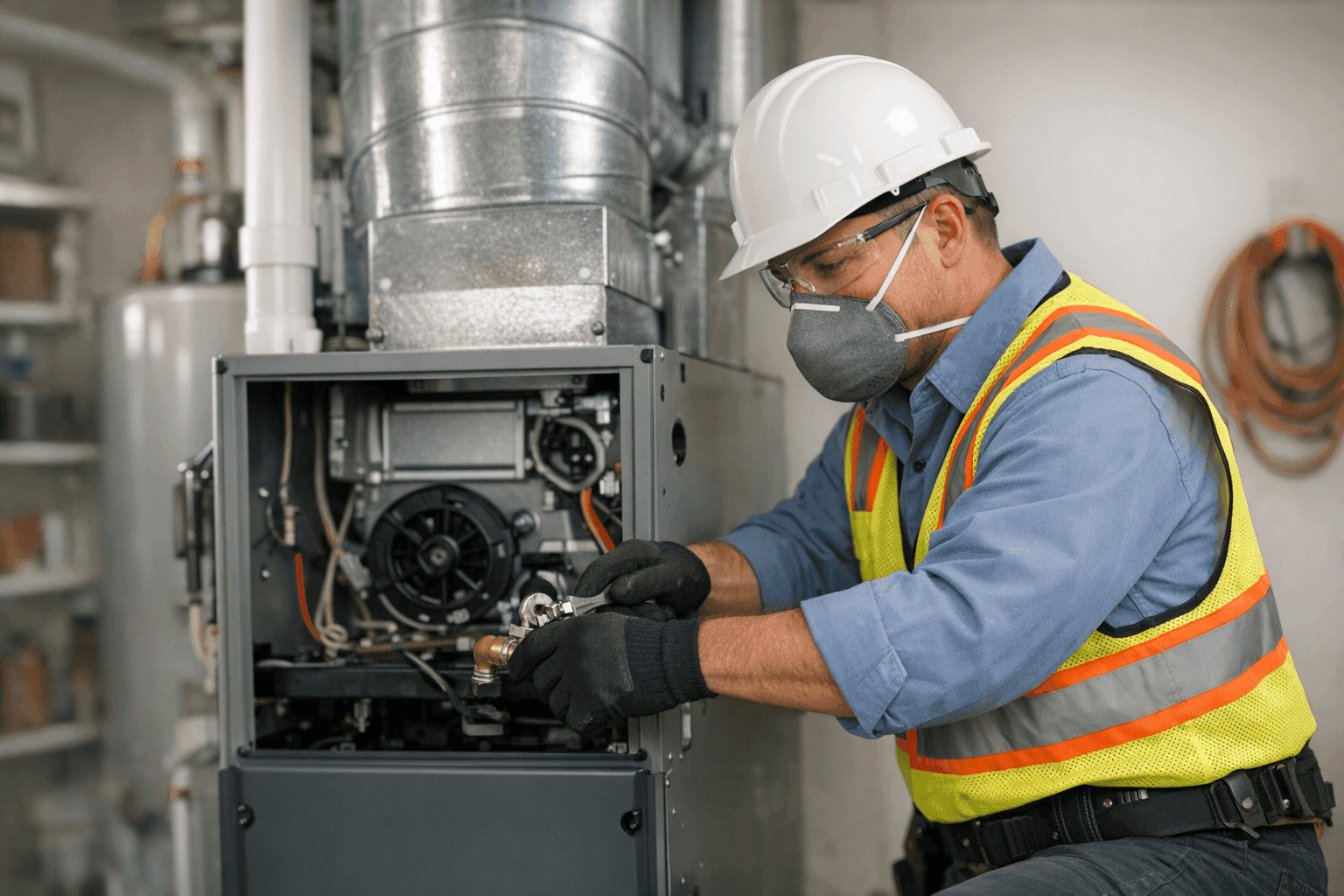
When the chill sets in, you don’t want to wonder if your heater will keep up. You want to know. Choosing to install a new heating system is a big decision—one that brings up questions about comfort, cost, and safety. At Best Indy HVAC, we handle every step with precision and care, so you can focus on what matters: staying warm and safe all year.
Whether your old furnace is coughing its last breath or you’re building your dream space, a professional installation isn’t just about plugging in a new box. It’s about creating lasting comfort, efficiency, and peace of mind. Here’s a behind-the-scenes look at exactly what to expect.
Choosing a System That Fits Like a Glove 🧤
It all starts with the right fit. Heating isn’t one-size-fits-all—think of it like picking shoes for a marathon. Too small or too big, and you’re in for trouble.
We’ll help you weigh options like:
- Furnaces: Gas, electric, or oil-powered, each with benefits and considerations.
- Geothermal: Ultra-efficient and sustainable, perfect if you’re searching for “Geothermal near you.”
- Mini-Splits & Radiant Systems: Flexible solutions for tricky spaces or upgrades.
- Whole-Home Solutions: For new builds or total comfort makeovers.
Our certified installers perform detailed load calculations (per ACCA Manual J standards) to ensure your system matches your home or business. Oversized heaters cycle on and off, wasting energy. Undersized units struggle to keep up. The right size means steady comfort and better energy bills.
Sizing It Right: More Than Just Square Footage
Many believe you just look at square footage and call it a day. Not so. We consider:
- Ceiling height
- Insulation levels
- Window quality
- Ductwork design
- Local climate patterns
This careful math ensures your new system isn’t working overtime—or underperforming when you need it most.
Pre-Installation Prep: Your Checklist
Before our team arrives, a little prep goes a long way:
- Clear the area around your current heater and access points.
- Secure pets and let family or tenants know work will be happening.
- Move valuables away from the workspace.
- Ask questions—we’re here for them!
We’ll confirm all utility shutoffs, electrical needs, and venting requirements before we begin.
What to Expect When the Pros Arrive
On installation day, our licensed team shows up ready—uniformed, on time, and equipped for the job. Here’s what unfolds:
- Final walkthrough of the installation plan
- Laying down floor protection and taking care with your space
- Disconnecting and safely removing the old system
- Inspecting existing ductwork, electrical, and gas lines for code compliance
A calm, methodical approach sets the stage for a safe, smooth install.
The Installation Steps: Piece by Piece
Every system is different, but the process includes:
- Positioning the new unit: Making sure it’s level, accessible, and up to code.
- Connecting power and fuel lines: Double-checking connections, following NEC and local codes.
- Sealing and insulating ducts: Preventing leaks and maximizing efficiency.
- Setting up venting: Ensuring safe exhaust, especially for gas and oil systems.
- Installing thermostats and controls: Getting you ready for precise comfort.
If your project involves sheet metal work or custom ventilation, our team handles it on the spot—no guesswork.
Safety Checks: The Non-Negotiables 🔒
Safety isn’t just a box to tick—it’s our top priority. Every installation includes:
- Gas leak tests (using approved detectors)
- Carbon monoxide checks
- Electrical safety inspections
- Pressure and airflow verification
We follow OSHA guidelines and manufacturer requirements to the letter. Your safety can’t wait.
The First Test Run
With everything in place, it’s time to fire up your new system. We:
- Power up and observe startup sequence
- Test for proper ignition, flame, or compressor function
- Adjust airflow and temperature settings
- Listen for unusual noises or vibrations
You’ll feel the difference—quiet, steady heat, and even temperatures throughout your space.
Quality Control: Double-Checking Every Detail
Before we call it a day, we run a final round of checks:
- Confirm all fasteners, seals, and panels are secure
- Ensure fresh air intakes and exhaust vents are clear
- Review thermostat programming and system features with you
We leave you with documentation for your records and warranty.
Code Compliance and Permits
Heating installation isn’t a “wing it” job. We pull the right permits and ensure all work meets or exceeds local building codes. This protects your investment and helps if you ever sell or rent your property.
Authoritative sources like the International Residential Code (IRC) and National Fire Protection Association (NFPA) set the standards we follow.
What Homeowners Need to Do After Installation
Once we’ve wrapped up, here’s how to keep things humming:
- Register your new system warranty (we’ll guide you)
- Schedule your first heating maintenance visit
- Replace filters as recommended—usually every 1-3 months
- Keep vents clear of furniture or drapes
A little care goes a long way to protect your investment.
Preventing Problems: Maintenance Matters 🛠️
Even the best system needs a tune-up. Regular check-ups help catch issues early, boost efficiency, and extend the life of your heater. Our furnace installation and maintenance plans cover everything from filter changes to full system diagnostics.
Don’t wait for a breakdown to act—think of maintenance like oil changes for your car.
Timeline and Disruption: What’s Realistic?
Most heating installations finish in a day, but complex jobs or unexpected challenges can add time. We’ll keep you updated every step of the way.
You might notice:
- Temporary loss of heat (we’ll minimize downtime)
- Some dust or noise (we use barriers and clean up after ourselves)
- Occasional follow-up visits for inspection or fine-tuning
We respect your schedule and space.
Costs, Estimates, and What Impacts the Price
Heating installation isn’t just the cost of the new hardware. Consider:
- Removal and disposal of old equipment
- Upgrades to ductwork or electrical
- Custom venting or sheet metal work
- Local permit fees
Investing in a quality system pays off through lower energy bills and fewer repairs down the road.
Common Mistakes to Avoid
We see these preventable issues often:
- Skipping load calculations (leads to sizing mistakes)
- Cutting corners on duct sealing or insulation
- Ignoring local code or permit requirements
- DIY electrical or gas work—never safe
A certified installer will help you avoid all of the above.
DIY vs. Certified Installer: Why It Matters
Heating systems are complex and potentially dangerous. Mistakes with gas, electricity, or venting can be costly—or worse. Our certified installers are trained to spot issues, follow safety codes, and protect your home and family.
The peace of mind is worth it.
When It’s an Emergency
If your heater fails suddenly—in the middle of a winter cold snap or late at night—Best Indy HVAC offers 24 hour emergency service. We’ll assess, secure the area, and get you back to comfort as quickly as possible.
Seasonal Considerations: Timing Your Install
Spring and fall are ideal for heating installation—before the first freeze or after the thaw. But don’t worry if you need help right in the heart of winter; our team works year-round.
Frequently Asked Questions
How long should a new heater last?
Most systems run well for 15–20 years with proper care.
Do I need to be home during installation?
It’s helpful, but not required. We’ll coordinate access and keep you informed.
Is financing available?
Heating installation is an investment; ask us about payment options when you call.
Will my new system improve indoor air quality?
Modern heaters, paired with air scrubbers or filters, can boost air quality and comfort.
Ready for a Smooth Heating Upgrade?
A professional heating installation is more than a quick swap—it’s a careful process that protects your comfort, safety, and investment for years to come. For more details or to schedule a visit, explore our hvac services page.
Call Best Indy HVAC now — or reach us anytime at 855-525-5859 .