When to Call 24 Hour Emergency HVAC Services
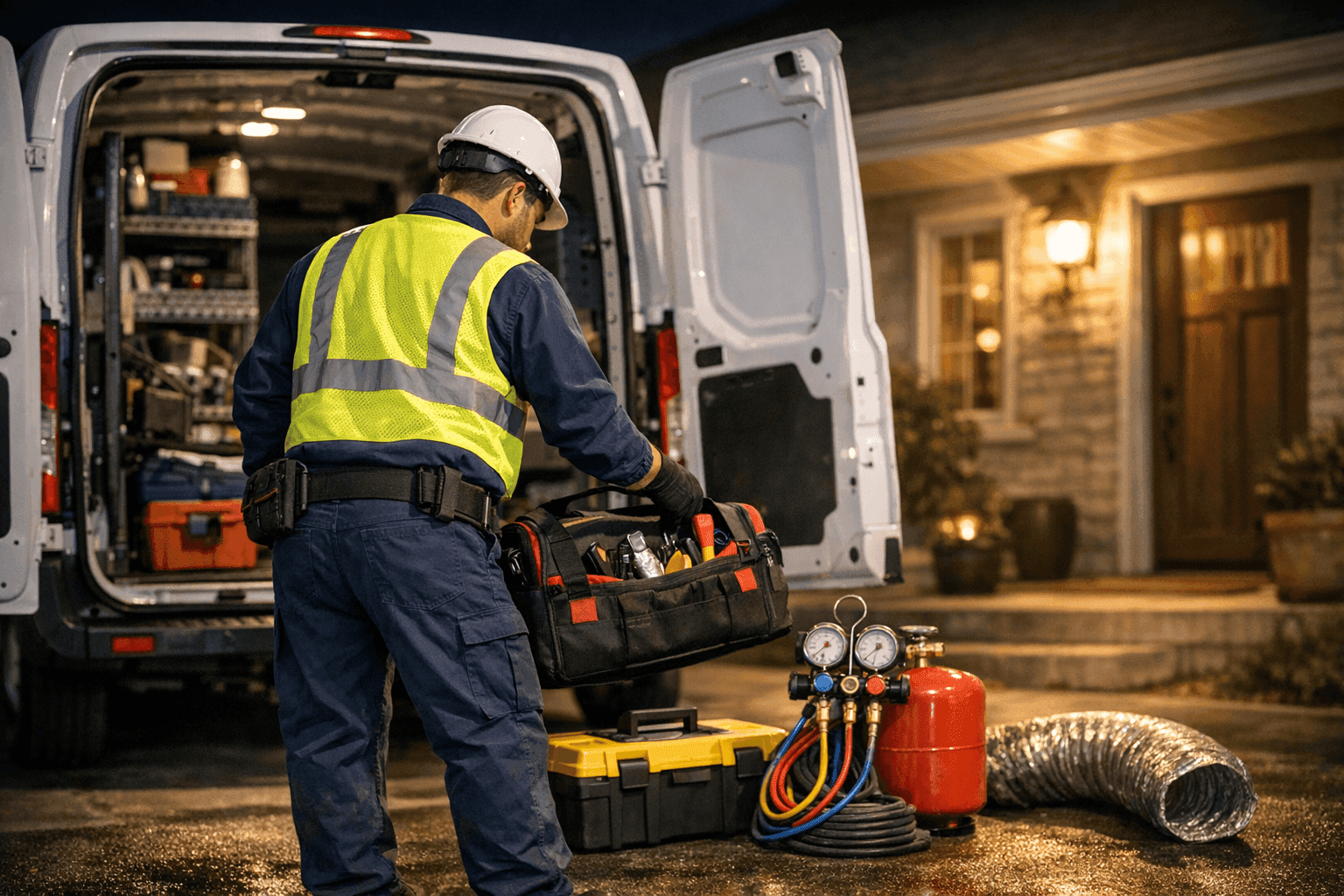
When your HVAC system goes down in the middle of the night, it can feel like your whole world just stopped spinning. The cold bites harder, the heat presses in, and every minute waiting for help feels longer than the last. At Best Indy HVAC, we know how stressful these moments can be—and we’re here to help, day or night.
Emergencies can strike without warning. Knowing when to call for 24 hour emergency HVAC services can make all the difference for your safety, comfort, and peace of mind.
What Qualifies as an HVAC Emergency? ⚠️
Not every HVAC problem calls for a midnight rescue. But some issues simply can’t wait. If you’re not sure whether to pick up the phone, ask yourself:
- Is anyone’s safety at risk? For example, no heat during a freeze or a burning smell.
- Are you smelling gas? If so, this is always an emergency.
- Is there a risk of property damage? Major leaks or electrical issues can spiral fast.
- Does the system refuse to turn on during extreme weather? Especially important for vulnerable people—kids, elderly, or those with health conditions.
If the answer to any of these is yes, call for 24 Hour Emergency Service right away.
Common Emergency Scenarios
HVAC emergencies come in all shapes and sizes. Some of the most urgent include:
- No heat in winter: When outside temps drop below freezing, a broken furnace isn’t just uncomfortable—it can be dangerous.
- No AC in a heatwave: Heat exhaustion and heatstroke are real risks, especially for small children and seniors.
- Gas odors: A rotten egg smell could mean a gas leak. This needs immediate attention—don’t wait.
- Electrical burning smells: This could signal a wiring issue or motor failure—both fire hazards.
- Water leaks from AC or furnace: Left unchecked, leaks can damage floors, walls, and ceilings.
- Complete system failure: If your HVAC system won’t run at all, and resetting breakers doesn’t fix it, you need help now.
- Unusual, loud noises: Bangs, grinding, or screeching sounds can mean failing parts that could cause bigger damage fast.
When in doubt, remember: It’s better to be safe and call than to risk your safety or comfort.
Quick Safety Checklist Before You Call
Take a breath. Then run through these steps to help protect your home and your loved ones until help arrives:
- If you smell gas: Evacuate everyone immediately. Call your utility provider or 911 from a safe place. Don’t use electrical switches, phones, or open flames inside.
- Check your thermostat: Is it set correctly? Sometimes, the fix is as simple as a setting.
- Inspect breakers and power: If safe, check your breaker box for tripped switches.
- Shut off the system: If you see smoke, sparks, or water, turn off your HVAC system at the main switch.
- Keep windows open: For strange smells or smoke, ventilate the area if it’s safe to do so.
What to Do Before Help Arrives 🕒
Once you’ve called for emergency HVAC service, there are a few things you can do to minimize damage and stay safe:
- Gather household members in the safest, most comfortable room. Close doors to retain heat or cool air.
- Layer up or down: Use blankets in the cold; light clothing and fans (if safe) in the heat.
- Don’t attempt risky repairs. Leave electrical and gas work to licensed technicians.
- Document what you notice: Strange sounds, smells, or error codes can help speed up repairs.
If you’ve lost power, use flashlights—not candles—to avoid fire risk.
DIY or Call a Pro?
Some things you can try yourself—like changing a filter or checking batteries in your thermostat. But if there’s water, sparks, smoke, or gas, it’s time to call in a professional. HVAC techs have the training and tools to safely diagnose and fix issues, no matter how late the hour.
What Pros Do On Arrival
When our Best Indy HVAC technician arrives, here’s what you can expect:
- Quick assessment: We’ll check the system, listen to your report, and review safety concerns first.
- Safety first: We follow local codes (referencing standards from the International Mechanical Code and National Fire Protection Association) to keep your property secure.
- Identify the root cause: Not just a quick patch—we look for underlying issues to prevent repeat breakdowns.
- Clear communication: We’ll explain the situation and your options before work begins.
Prevention Is Better Than Panic
Most HVAC emergencies are preventable with routine care. Like changing your car’s oil, regular HVAC maintenance keeps systems running smoothly and catches small problems before they become nightmares at 2 a.m.
Essential Prevention Tips
- Schedule professional HVAC maintenance at least twice a year
- Change filters every 1-3 months (especially if you have pets or allergies)
- Keep vents and registers clear of furniture and dust
- Listen for odd noises or changes in performance
- Test carbon monoxide detectors and smoke alarms regularly
Consider a home energy audit or indoor air quality check to spot hidden issues and improve comfort.
Costs and Time Factors
Emergency service often comes at a premium—after all, it’s a technician’s time at all hours. But quick action can save you thousands in property damage or spoiled inventory, especially in commercial settings. Most repairs are completed within a few hours, barring rare parts or extensive damage.
Seasonal Considerations
Winter’s deep freeze and summer’s blazing heat are peak times for HVAC emergencies. Schedule pre-season checkups and consider upgrades like programmable thermostats, whole-house fans, or even Geothermal near you to reduce strain on your system.
Common Mistakes to Avoid 🚫
- Ignoring warning signs: Odd noises, smells, or poor airflow often mean trouble ahead.
- Skipping routine maintenance: This is the #1 reason for emergency breakdowns.
- DIY electrical or gas repairs: These can be deadly—always call a pro.
- Blocking vents or registers: This strains your system and can cause overheating.
Signs of Trouble: What to Watch For
- Unusually high utility bills
- Rooms that are too hot or too cold, even with the system running
- Short cycling (system turns on/off rapidly)
- Persistent moisture or condensation
- Frequent circuit breaker trips
Spotting these early can keep a small hiccup from turning into a full-blown emergency.
Timeline & Disruption: What to Expect
Most emergency HVAC calls can be resolved in one visit. However, if parts are needed or major repairs are uncovered, it may take a bit longer. Our goal at Best Indy HVAC is to restore comfort as quickly and safely as possible—with minimal disruption to your home or business.
Materials & Equipment: Why Pros Matter
We come equipped with the right tools and replacement parts for most issues. For specialized equipment—like mini-splits, generators, or advanced air quality devices—we’ll offer honest advice on next steps.
Air Quality & Safety
Breakdowns can sometimes lead to poor indoor air quality, especially if filters are clogged or there’s standing water. Emergency service isn’t just about comfort—it’s about protecting your health.
FAQ: Emergency HVAC
Q: How do I know it’s a true emergency?
A: Any situation risking safety, property, or serious discomfort in severe weather is an emergency.
Q: Will insurance cover emergency repairs?
A: Sometimes—especially if damage is due to a covered peril. Check your policy or ask your agent for details.
Q: Can I prevent emergencies?
A: Yes! Regular maintenance, fast filter changes, and attention to warning signs are key.
The Bottom Line
When your comfort or safety is on the line, don’t hesitate to call for help. Emergencies are stressful—but with the right actions and a reliable HVAC partner, you’ll get through it.
Call Best Indy HVAC now — or reach us anytime at 855-525-5859 .