When to Replace vs. Repair Your HVAC System
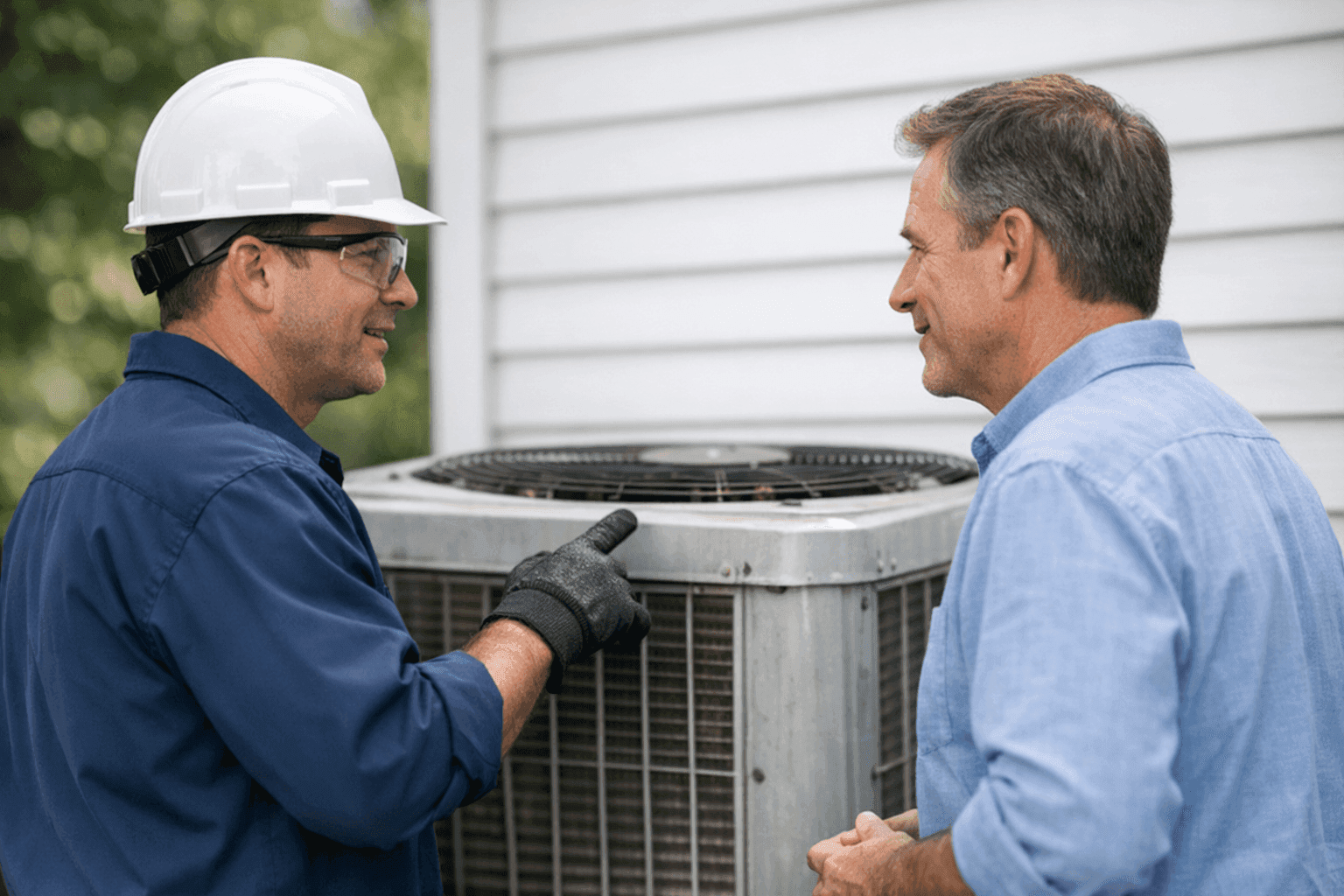
Is your HVAC system making new noises, running up your utility bills, or just refusing to keep you comfortable? You’re not alone. Every year, homeowners and business owners face the same tough call: repair it or bite the bullet and replace it? This guide from Best Indy HVAC was written with you in mind—clear answers, practical checklists, and honest advice.
We get it. No one wants to spend more money than they have to. But cutting corners on your comfort can cost you more in the long run. Here’s how to tell when it’s time to repair or replace—and how to make the smartest, most cost-effective choice.
The Telltale Signs: When Your HVAC Is Trying to Tell You Something 🛑
Think of your HVAC system like an old car. It may run fine for years with the right care. But eventually, the signals add up. Here’s what to watch for:
- Age: Most HVAC systems last 10–15 years. Geothermal systems can push 20 years or more, but nothing lasts forever. If your unit is approaching the double digits, start paying closer attention.
- Rising Utility Bills: If your energy costs are climbing and your usage hasn’t changed, efficiency may be slipping.
- Frequent Repairs: One repair a year? Normal. Multiple repairs each season? Not a good sign.
- Strange Noises or Smells: Banging, rattling, musty odors—these are your system’s SOS.
- Uneven Temperatures: Hot and cold spots mean your system’s struggling to keep up.
- Poor Air Quality: If you notice more dust, humidity, or allergy symptoms, your HVAC may be failing you—and your lungs.
Quick Safety Checklist Before You Decide
Before you dig into costs and options, a few quick safety steps:
- Check circuit breakers and thermostat settings.
- Replace or clean your air filter.
- Inspect vents for blockages.
- Listen for electrical buzzing or burning smells—if you notice these, shut down your system and call a professional.
If you have a geothermal system (or are searching for “Geothermal near you”), make sure no one’s tried to dig or build near the underground loop. Damage can be costly and dangerous.
Life Expectancy: How Long Should an HVAC System Last?
Most central air and furnace systems last 10–15 years, with regular maintenance. Geothermal units can last up to 25 years for the inside components and 50 years for the ground loop. Mini-splits, depending on use and care, often last 10–20 years.
If your system is reaching the end of its expected lifespan, repairs may be a short-term fix at best.
Cost Comparisons: Repairing vs. Replacing
Let’s break it down:
- Repair costs: If repairs are less than 30–40% of a new system’s cost, and your unit is under 10 years old, repair often makes sense.
- Replacement costs: If you’re facing a major repair—like a compressor or heat exchanger—on a system over 10 years old, investing in a new, more efficient system may be smarter.
- Factor in future savings: Modern HVAC and geothermal systems offer higher energy efficiency, which can lower your utility bills for years to come.
Handy Tip: Always ask for a detailed estimate. Compare the “fix now” price to long-term benefits like lower energy bills and fewer service calls.
Frequent Repairs: The “Money Pit” Warning
If your HVAC feels like it’s always breaking down, that’s a red flag. Here’s a quick checklist:
- Did you have 3+ repairs in the last two years?
- Are repairs getting more expensive?
- Is comfort getting worse despite fixes?
If you’re nodding yes, it may be time to stop patching and start planning for replacement.
Warranty Considerations: Is It Still Covered?
Always check your warranty before making a decision. Most systems come with a 5–10 year parts warranty, and some extended plans cover labor. If your system is still under warranty, repairs might be little or no cost out of pocket. If it’s expired, replacement might be the wiser long-term move.
Pro Tip: Keep your documentation in a safe place. Some warranties require proof of regular maintenance.
Energy Efficiency: Big Savings with Modern Systems ⚡️
Older HVAC systems are like leaky buckets—harder to fill, and they waste more every year. Upgrading to a high-efficiency or geothermal system can cut heating and cooling costs by 20–50%, according to the U.S. Department of Energy.
Features like variable-speed motors, smart thermostats, and advanced filtration also boost comfort and air quality. If you’re seeking “hvac services” that give you a real return, efficiency improvements are where to look.
When DIY Makes Sense (And When It Doesn’t)
You can:
- Change air filters monthly.
- Keep vents clear of obstructions.
- Use a programmable thermostat.
Leave it to the pros:
- Electrical issues or burning smells.
- Refrigerant leaks.
- Geothermal loop inspections.
- Major part failures (compressors, heat exchangers).
Trying to DIY major repairs can void warranties or create safety risks. For peace of mind, always leave complex work to trained technicians.
What Professional HVAC Techs Do On Arrival
Expect a thorough approach:
- Visual inspection of all components.
- Electrical and refrigerant checks.
- Airflow and temperature tests.
- Safety and code compliance checks (referencing standards like ASHRAE and local building codes).
A pro should explain findings in clear language—no jargon, just facts. If you want deeper insight into our approach, see our geothermal page for details.
Prevention & Maintenance: Protect Your Investment
Regular maintenance is like an oil change for your car. It keeps things running smoothly, catches small problems early, and can extend the life of your system by years.
Practical tips:
- Schedule annual tune-ups.
- Inspect ductwork for leaks.
- Clean or replace filters as directed.
- Test your thermostat and carbon monoxide alarms.
The National Air Duct Cleaners Association (NADCA) recommends professional duct cleaning every 3–5 years for optimal air quality.
Emergency Situations: When Waiting Isn’t Safe 🚨
If you experience any of the following, shut off your system and call for help right away:
- Burning smells or visible smoke.
- Gas odors.
- Electrical sparks or tripped breakers that won’t reset.
- No airflow in extreme heat or cold (especially for vulnerable populations).
Your safety should always come first. Don’t take risks with electrical or gas issues.
Seasonal Factors: Timing Your Replacement
Spring and fall often offer the best weather “windows” for replacement, and some manufacturers run promotions then. But if your system fails in the middle of a heat wave or deep freeze, comfort and safety come first.
Plan ahead when you can, but never go without heating or cooling when it’s needed most.
Common Mistakes to Avoid
- Delaying replacement too long, leading to emergency breakdowns.
- Ignoring unusual noises or smells.
- Forgetting to account for energy savings with a new system.
- Failing to check for rebates or tax incentives.
A little research can save a lot of money—and headaches.
FAQs: Your Biggest Questions, Answered
Q: Can I just replace one part (like the AC) and keep my old furnace?
A: Sometimes, yes. But mismatched components can lead to lower efficiency, more repairs, and voided warranties. It’s usually better to replace both if they’re the same age.
Q: What about ductless mini-splits?
A: Mini-splits are great for additions or areas without ductwork. They’re efficient and flexible, but still require professional installation and regular maintenance.
Q: Is geothermal really worth it?
A: For many, yes. Geothermal systems cost more upfront but offer long-term savings, especially if you plan to stay in your building for years. If you’re looking for "Geothermal near you," installation is best handled by certified pros.
Timeline & Disruption: What to Expect
A simple repair might take an hour. A full replacement? Plan for a day or two, plus time for system testing and cleanup. Geothermal installations may take longer due to ground loop work. Your Best Indy HVAC team will always explain the process up front so you know what to expect.
Materials & Equipment: Choosing Smart Upgrades
Newer systems offer features like:
- Smart thermostats for remote control.
- Advanced filtration for allergy relief.
- Zoned systems for personalized comfort.
Ask about these options during your estimate. They can boost comfort, savings, and even property value.
Air Quality & Comfort: Don’t Settle for Less
Poor HVAC performance doesn’t just hit your wallet—it affects your health. If you’re noticing more dust, allergies, or uneven temperatures, a new system or upgrade can make a world of difference.
Ready for a Second Opinion? Get Professional Advice
Choosing between repair and replacement can feel overwhelming. Get a second opinion if you’re unsure. Qualified technicians can give you clear, honest answers based on facts—not guesswork. For reliable, experienced service, our hvac specialists can help you make the right call.
Call Best Indy HVAC now — or reach us anytime at 855-525-5859 .