Whole-House Fans: Efficient Cooling Solutions
Sweaty, sticky nights. The hum of the air conditioner droning away—and your energy bill climbing higher. It’s a familiar problem for families and businesses alike. At Best Indy HVAC, we field calls every summer from people searching for a smarter, more efficient way to keep their spaces cool.
If you’re wondering whether a whole-house fan could be your secret weapon against oppressive heat, you’re in the right place. Let’s break down how these fans work, why they’re making a comeback, and how to tell if they fit your building—without the jargon.
The Power Behind Whole-House Fans
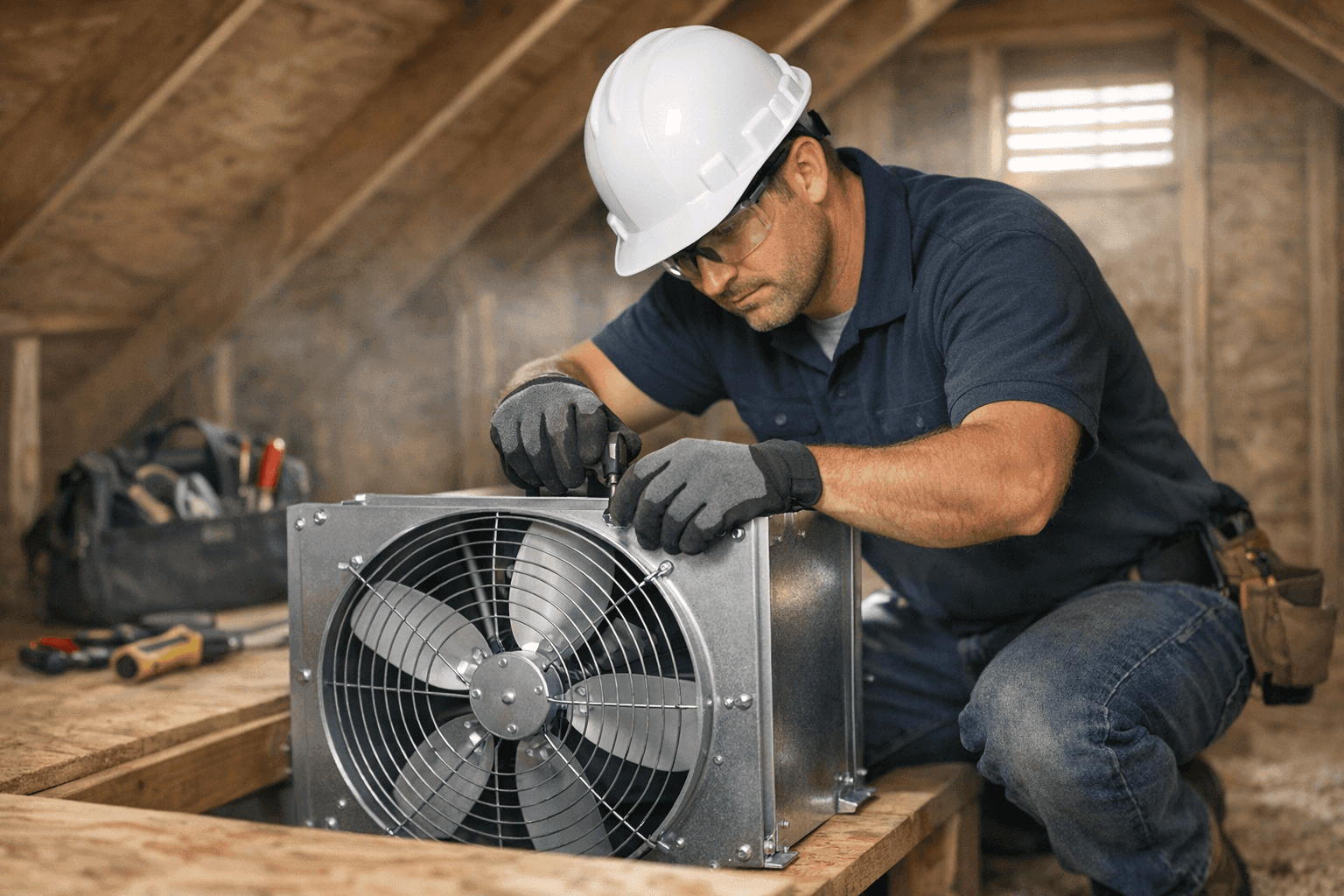
A whole-house fan is like opening all your windows at once—but smarter. Mounted in the attic, these fans pull cool air in from open windows and flush out hot, stale air through attic vents. The result? Your living or working space feels refreshed, not just chilled.
At their best, whole-house fans can cool a home in minutes. Picture a gentle breeze sweeping through, carrying away the heaviness. They work best when the outside temperature drops below the inside, often in the evenings or early mornings.
How Efficient Are Whole-House Fans? 🌬️
When it comes to energy use, whole-house fans are light on their feet. They use about a tenth of the electricity of central air conditioning systems, according to the U.S. Department of Energy. For homes with good attic ventilation, the savings stack up fast.
Let’s compare:
- Whole-house fans: Move large volumes of air quickly, using less power.
- Central AC: Provides chilled air but at a much higher operating cost.
If your climate offers cool nights or mornings, running a whole-house fan can drop indoor temperatures by up to 10 degrees in under an hour—without the AC even kicking on.
Key Benefits: More Than Just Cool Air
Why are so many homeowners and business managers turning to whole-house fans? Here’s what we hear from our customers:
- Lower utility bills: You’re using less energy, so your wallet thanks you.
- Improved indoor air quality: Fans flush out dust, odors, and indoor pollutants.
- Fast results: Noticeably cooler air in minutes, not hours.
- Less wear and tear on your AC: Your HVAC system gets a break, lasting longer.
- Simple operation: Flip a switch, open a window, and let the fan do the rest.
Comparing Whole-House Fans vs. AC: Which Is Right for You?
Think of a whole-house fan as a marathon runner—steady, strong, and built for endurance. Central AC, on the other hand, is more like a sprinter—powerful but energy-hungry.
When Fans Win
- Mild to moderate climates: Nights cool off, even after hot days.
- Homes with good attic ventilation: The more airflow, the better the results.
- Energy-conscious owners: Looking to cut costs and carbon footprint.
When AC Takes the Lead
- Humid or hot climates: Fans can’t dehumidify or cool when it’s muggy outside.
- Allergy concerns: Fans pull in outside air, which may include pollen.
- Noisy environments: Urban areas with lots of outdoor noise may find fans less appealing.
Often, the sweet spot is using both—fans for spring and fall, AC for the dog days of summer.
Choosing the Right Whole-House Fan for Your Space
Not all fans are created equal. The right fit depends on your building’s size, layout, and insulation.
Consider:
- Fan size: Measured in cubic feet per minute (CFM). Bigger isn’t always better—match the fan to your square footage.
- Attic ventilation: You’ll need enough vents to let air escape, or you risk pressure buildup.
- Noise level: Some fans are whisper-quiet; others sound like a jet engine. Ask about decibel ratings.
- Speed settings: More options mean more control over airflow and comfort.
A professional installer, like Best Indy HVAC, will run the numbers and recommend a fan tailored to your needs and local building codes (check with the International Residential Code for attic ventilation requirements).
Installation Basics: What to Expect
Installing a whole-house fan isn’t a weekend DIY project for most. Here’s why:
- Attic access required: Fans are mounted in the attic floor, between joists.
- Electrical wiring: Safe, code-compliant installation is a must.
- Air sealing: Gaps or leaks can hurt efficiency and air quality.
- Venting upgrades: Sometimes more attic vents are needed for proper airflow.
A professional team will handle all the details, follow safety protocols, and make sure your fan operates at peak efficiency.
Learn more about our geothermal and energy-saving solutions.
Quick Safety Checklist Before You Start
- Electrical safety: Turn off power to avoid shocks.
- Structural check: Attic framing must support the fan’s weight.
- Ventilation review: Ensure attic vents are clear and adequate.
- Permits: Some municipalities require permits—ask before starting.
The National Fire Protection Association (NFPA) and local building departments offer guidelines for safe installation.
Ideal Climates for Whole-House Fans
Whole-house fans shine in places where nights cool down, even if days are hot. Think the Midwest, Mountain West, or temperate coastal regions. In humid places, their magic fades a bit—they can move air but won’t take out moisture.
If you’re considering geothermal near you or want to pair a fan with other hvac solutions, our team can help you design an integrated system.
Maintenance: Keeping Your Fan in Top Shape
Like any machine, whole-house fans need regular TLC. Here’s what you should do:
Routine Tasks
- Clean the blades: Dust and debris can slow airflow and increase noise.
- Check for loose parts: Screws and fasteners can vibrate loose over time.
- Inspect wiring: Look for frayed wires or connections.
- Test operation: Run the fan seasonally—listen for odd noises.
Professional Maintenance
A yearly checkup from an hvac specialist can catch problems early and extend your fan’s life. If you ever smell burning or hear grinding, shut off the fan and call a pro immediately.
Whole-House Fans for Commercial Spaces
Businesses can benefit, too. Warehouses, offices, and shops with high ceilings and open layouts often see big gains in comfort and energy savings. The process is similar to residential installs but may require larger fans or multiple units.
Common Mistakes and How to Avoid Them
- Undersized fans: Won’t cool effectively.
- Insufficient attic vents: Can cause hot air backup.
- Poor sealing: Air leaks waste energy and can bring in attic dust.
- Ignoring insulation: Without proper insulation, heat sneaks back in.
Work with a qualified hvac contractor—mistakes can cost you more in the long run.
Signs a Whole-House Fan Is Right for You
- You have cool nights, even after hot days.
- Your AC runs constantly but you’re still uncomfortable.
- Indoor air feels stuffy or stale.
- You’re looking for ways to lower your energy bills.
Still not sure? A home energy audit can pinpoint where a fan fits into your overall cooling strategy.
Timeline and Disruption: What to Expect During Install
Most whole-house fan installations take a half-day to a full day. There’s some attic work, minor electrical wiring, and a bit of dust—but a professional crew keeps the mess to a minimum. You’ll be back to normal by evening, often with a noticeable difference in comfort.
DIY or Call a Pro?
Handy with tools? Some homeowners tackle fan installs, but most jobs are best left to licensed hvac specialists. Improper installation can lead to air leaks, electrical issues, or even void warranties.
If you have questions about local codes or need advice, our team is ready to help. And if you’re in the area and searching for a reliable hvac company in Niagara Falls, we’re here for you.
Seasonal Tips: Making the Most of Your Whole-House Fan 🌡️
- Spring: Open windows in the morning and evening to flush out winter stuffiness.
- Summer: Run the fan at night to cool your home, then close windows and blinds during the day to trap cool air.
- Fall: Use the fan to clear indoor air before shutting up the house for winter.
For best energy savings, combine with smart thermostats and regular hvac maintenance.
Frequently Asked Questions About Whole-House Fans
Will a whole-house fan replace my AC?
Not always, but it can slash how often you need to run your AC, especially in mild weather.
Are they noisy?
Modern fans are much quieter than older models, especially when installed correctly with proper insulation.
Do they help with indoor air quality?
Yes, by pulling in fresh air and exhausting stale air, they can improve overall air quality.
Can I install one in my business?
Absolutely—commercial-grade fans are available and can be tailored to your space’s needs.
Ready to Cool Off the Smart Way?
Whole-house fans offer a blend of efficiency, comfort, and savings you can feel. Whether you’re a homeowner or a business manager, Best Indy HVAC is here to guide you through selection, installation, and ongoing care.
Breathe easier, stay cooler, and let your AC take a well-deserved break.
Call Best Indy HVAC now — or reach us anytime at 855-525-5859 .