Why Ventilation Matters: Health, Safety, and Energy Efficiency
Breathe in. Hold it for a second. Now exhale. Feels good, right? But what if the air you just breathed was stale, full of dust, or even unsafe? Most of us never think twice about the air circulating at home or work—until something goes wrong.
At Best Indy HVAC, we know that proper ventilation isn’t just a “nice-to-have.” It’s the silent guardian of your comfort, health, and safety. Understanding what’s at stake—and how to fix it—can make a world of difference.
What Is Ventilation? 🌬️
Ventilation is the process of moving fresh air in and pushing stale, contaminated air out. Imagine your building as a set of lungs. Without regular inhales and exhales, things get stuffy—fast.
Ventilation systems fall into two main categories:
- Natural ventilation: This uses windows, doors, and natural airflow. Think of breeze drifting through an open window.
- Mechanical ventilation: Devices like fans, ductwork, or advanced HVAC systems actively manage airflow, ensuring consistent exchange regardless of the weather outside.
Both methods play a role, but most modern homes and businesses rely on mechanical systems for reliability, especially as buildings become more tightly sealed for energy efficiency.
Health & Safety: Why Getting It Wrong Is Risky
Poor ventilation is more than just an inconvenience. It can be a health hazard. Here’s how:
Indoor Air Quality (IAQ) and Your Health
- CO2 Buildup: Without enough fresh air, carbon dioxide rises. High CO2 makes you feel tired, foggy, and can even impact decision-making.
- Contaminant Accumulation: Everyday activities—cooking, cleaning, even breathing—release particles and chemicals. With no way out, these build up, increasing asthma and allergy risks.
- Pathogen Spread: Viruses and bacteria love stagnant air. Proper ventilation reduces airborne transmission, supporting recommendations from the CDC and ASHRAE.
Safety Hazards
- Combustion Byproducts: Gas stoves, furnaces, and fireplaces produce gases like carbon monoxide. Good ventilation prevents these from reaching dangerous levels.
- Moisture and Mold: Showering, cooking, and even just living releases moisture. Poor ventilation means dampness lingers, creating the perfect breeding ground for mold and mildew.
Local and national building codes (like those from the International Mechanical Code and OSHA regulations) set minimum standards for ventilation, emphasizing its importance for both homes and businesses.
Energy Impacts: Saving Money Starts with Airflow
Think ventilation is the enemy of energy savings? Think again. A well-designed HVAC system keeps you comfortable and efficient.
- Balanced Ventilation: Modern systems, including Air Balancing, help distribute air evenly, so heaters and coolers don’t work overtime.
- Energy Recovery Ventilators (ERVs): These smart devices exchange heat and moisture between incoming and outgoing air, reducing wasted energy.
- Humidity Control: Too much or too little moisture strains your heating and cooling, but the right system (like whole-house fans or dehumidifiers) keeps things just right.
Neglecting ventilation leads to higher utility bills, overworked equipment, and uncomfortable living or working spaces.
Signs of Poor Ventilation: What to Watch For
You don’t need fancy instruments to spot some red flags:
- Persistent musty odors
- Condensation on windows
- Mold spots on walls or ceilings
- Hot or cold spots in rooms
- People feeling sluggish, coughing, or sneezing more than usual
If you spot these, it’s time to take action.
Natural vs. Mechanical Ventilation: Pros, Cons, and Modern Solutions
Natural ventilation works best when outdoor air is clean and weather allows. But in extreme climates or urban areas, it’s often not enough. Mechanical ventilation steps in with:
- Exhaust Fans: Remove air from kitchens, baths, and utility rooms.
- Supply Fans: Bring in filtered, fresh air.
- Balanced Systems: Combine exhaust and supply for even, controlled airflow.
Smart thermostats and zoning can further refine how and where air moves, making comfort more customizable.
Quick Safety Checklist for Ventilation
Keep your home or business safe with these essentials:
- Test CO and smoke detectors monthly.
- Check for blocked or dirty vents.
- Inspect attic and crawl space for moisture or mold.
- Make sure combustion appliances are vented correctly.
- Regularly service your HVAC system.
Consult the EPA’s indoor air quality guidelines for more tips.
DIY or Call a Professional?
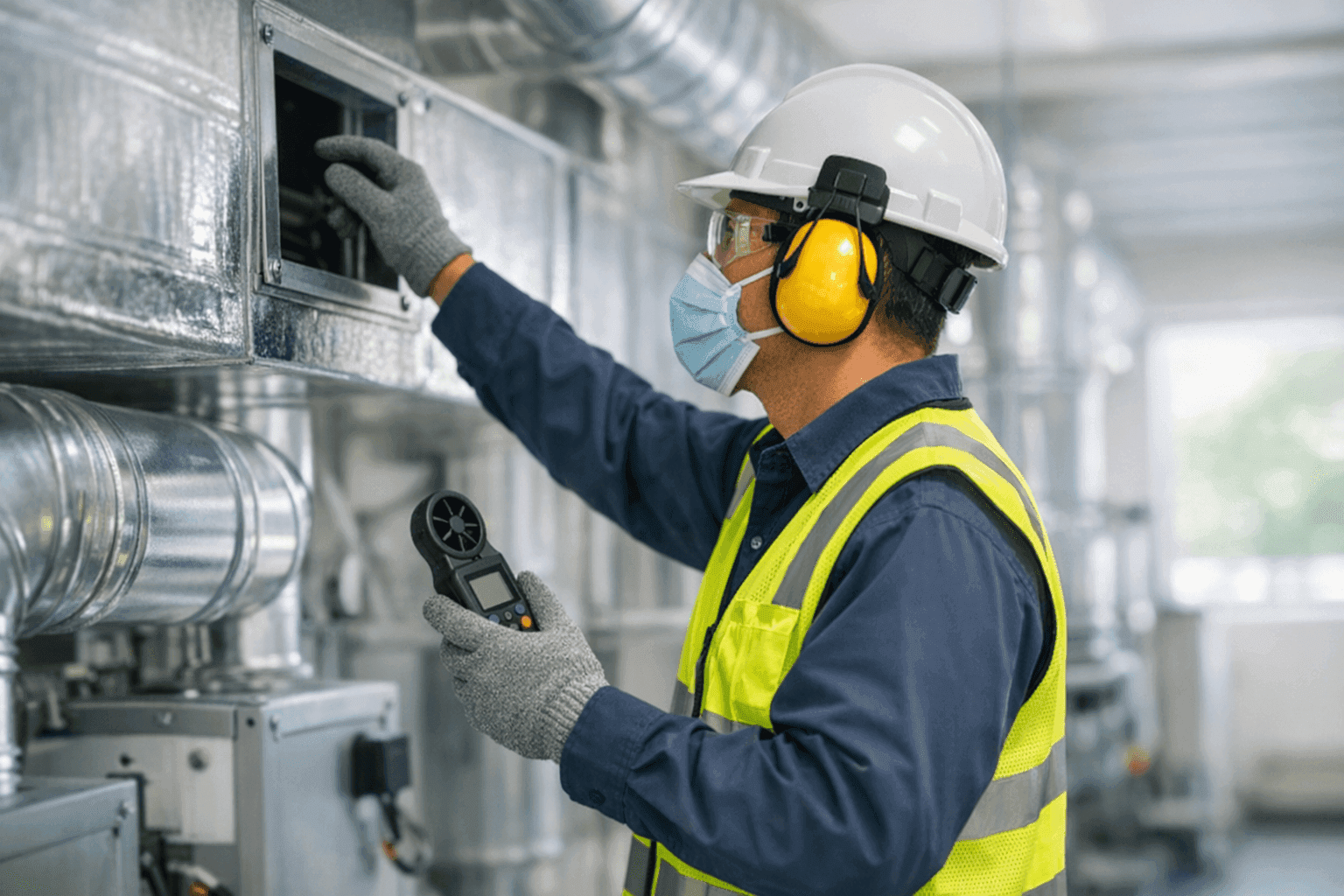
Some ventilation fixes are simple—like opening a window or replacing a filter. But for persistent problems, or when combustion appliances are involved, call in a pro. Professionals have the tools to test airflow, humidity, and contaminant levels safely.
Certified HVAC specialists (like our team at Best Indy HVAC) follow standards from the Air Conditioning Contractors of America (ACCA) and the American Society of Heating, Refrigerating and Air-Conditioning Engineers (ASHRAE).
What Pros Do On Arrival
When you schedule a ventallation assessment, here’s what to expect:
- Airflow and pressure testing in key rooms
- Inspection of ductwork for leaks or blockages
- Evaluating mechanical and natural ventilation sources
- Monitoring for excess CO2, humidity, or other IAQ issues
- Recommending upgrades or repairs based on real data
This thorough approach ensures solutions are tailored to your exact needs.
Prevention & Maintenance: The Key to Healthy Air
Think of regular ventilation maintenance like brushing your teeth—it’s basic, but essential. Here’s how to keep things flowing smoothly:
- Change HVAC filters every 1–3 months
- Schedule annual HVAC and IAQ evaluations
- Clean exhaust fan covers and vent grilles
- Keep vents clear of furniture, rugs, or dust
- Address water leaks or spills promptly
For more complex systems, professional cleanings and tune-ups are a smart investment.
Common Mistakes Homeowners and Businesses Make
- Ignoring blocked vents or closed registers
- Skipping filter changes
- Over-sealing homes without mechanical ventilation upgrades
- Using oversized or undersized fans and equipment
- Forgetting about attic or crawl space airflow
Avoiding these pitfalls helps prevent bigger, costlier problems down the road.
When It’s an Emergency
If you ever smell gas, see smoke, or suspect a carbon monoxide leak—get out and call emergency services immediately. After safety is restored, have a licensed HVAC contractor inspect and repair your venting systems before reoccupying the space.
Costs & Time Factors
Ventilation upgrades vary from a quick filter swap to installing whole-house systems. Here’s what to expect:
- Basic fixes: Filters and minor duct repairs—minutes to an hour
- Mechanical upgrades: Fan or ERV installation—half a day to a full day
- Ductwork or major IAQ solutions: One to several days, depending on complexity
Costs depend on system size, building layout, and equipment quality. Our team works with you to find budget-friendly, effective options.
Timeline & Disruption: What to Expect
Most ventilation work is low-disruption. Small fixes rarely require more than a quick visit. Larger projects—like adding ERVs or rebalancing ductwork—may involve some noise and movement, but our technicians clean up afterward and keep you informed every step of the way.
Seasonal Considerations
- Winter: Heat stays in, but so does stale air. Watch for condensation and stuffiness.
- Summer: High humidity means more moisture to manage. Mechanical ventilation is especially helpful.
- Spring/Fall: Pollen counts rise. Filtering and balancing airflow reduces allergy triggers.
Plan maintenance before extreme weather hits for best results.
FAQ: Your Ventilation Questions Answered
Q: How often should I service my ventilation system?
A: At minimum, schedule annual maintenance and change filters quarterly.
Q: Can better ventilation help with allergies?
A: Absolutely. Removing dust, pollen, and moisture makes a real difference.
Q: Is there a “best” type of ventilation?
A: It depends on your building, climate, and needs. Mechanical systems offer the most control, especially for energy-efficient homes.
Improving Ventilation: Steps to Take Now
Ready to breathe easier? Here’s your action plan:
- Check for obvious blockages or dirty filters
- Open windows for a quick air refresh (weather permitting)
- Schedule a professional IAQ assessment and airflow test
- Ask about smart controls and zoning for tailored comfort
- Consider upgrades like ERVs, dehumidifiers, or new exhaust fans
If you’re looking for hvac specialists in Sicklerville, see our hvac services page for detailed offerings.
The Bottom Line
Ventilation isn’t just a technical detail—it’s a foundation of healthy, safe, and efficient living. Whether you’re managing a busy office or keeping your family comfortable at home, don’t let your air go unnoticed. With the right system and regular care, you’ll breathe easier every day.
Call Best Indy HVAC now — or reach us anytime at 855-525-5859 .