Winter Heating Failures: Prevention & Emergency Steps
When winter hits hard, your heating system isn’t just a comfort—it’s your safety net. But what happens when that net snaps? If you’ve ever found yourself shivering inside while snow piles up outside, you know how fast a cozy home can turn into an icebox.
At Best Indy HVAC, we’ve seen it all—from frozen pipes to lifeless furnaces and frantic calls in the middle of the night. If you’re searching “Geothermal near you” or worried your heater won’t make it through another cold snap, you’re in the right place. Here’s how to prevent breakdowns, spot trouble early, and stay warm even when things go sideways.
Why Do Heating Systems Fail in Winter?
When temperatures plummet, your furnace or heat pump works overtime. That’s when weak spots show themselves. Think of your system like a runner sprinting through a blizzard—if it’s not in peak shape, something will give.
Common causes of winter heating failures:
- Clogged filters: Like trying to breathe through a scarf—air struggles to move.
- Thermostat glitches: The “brain” of the system can misread the temperature or fail to signal the furnace.
- Ignition or pilot issues: No spark, no heat.
- Frozen condensate lines: Water backs up and shuts down the system.
- Blower motor failure: The muscle that pushes warm air can overheat and quit.
- Power outages & surges: Storms can knock out electricity, halting all heating.
According to the U.S. Department of Energy, lack of maintenance is the #1 preventable reason for winter system failure. Don’t let yours fall into that trap.
Quick Safety Checklist for Heating Emergencies 🛑
If your heat goes out, don’t panic. Take a breath, then follow these quick safety steps:
- Check your thermostat: Is it set to “heat”? Sometimes it’s that simple.
- Look for tripped breakers: Power blips can flip a switch.
- Smell gas? Leave immediately. Call your utility from outside.
- Bundle up: Wear layers, use blankets, and close off unused rooms.
- Use safe alternatives: Stick to approved space heaters or fireplaces—never use a stove or grill indoors.
- Keep pipes from freezing: Open cabinets under sinks and let faucets drip slowly.
Remember, safety comes before comfort. If you’re unsure, call for help.
Signs Your Heating System Is Struggling
Before your heater dies completely, it often sends out distress signals. Don’t ignore these red flags:
- Loud bangs, rattles, or grinding noises
- Cold spots or uneven heating
- Heater cycling on and off rapidly
- Spike in energy bills without explanation
- Weak airflow from vents
- Strange smells—burning, musty, or metallic
Catching problems early is like steering away from a pothole instead of wrecking your tire.
Prevention: Maintenance Tips That Save the Day
The best time to prepare for winter is before the first frost. Here’s how to keep your system running strong:
- Replace filters monthly (or as recommended)
- Schedule professional HVAC maintenance every fall
- Test your thermostat—replace batteries, check settings
- Seal leaks in ductwork with mastic or foil tape
- Clear vents and registers of dust, furniture, or drapes
- Insulate pipes and attics to prevent freezing and heat loss
- Consider an energy audit to find hidden trouble spots
Regular maintenance isn’t just “nice to have.” It’s the difference between a smooth winter and a frozen disaster. For homeowners and property managers, annual checks are as important as snow tires on your car.
DIY Fixes vs. Calling in the Pros
Some issues are safe to tackle yourself. Others demand a trained hand.
Safe DIY steps:
- Resetting the thermostat or circuit breaker
- Swapping out filters
- Checking for obvious obstructions
When to call Best Indy HVAC:
- Ignition or pilot light won’t stay lit
- Repeated breaker trips
- Blower isn’t running at all
- Any sign of burning smells or visible damage
- Frozen or leaking components
Remember, heating systems combine gas, electricity, and moving parts. When in doubt, don’t risk a bigger problem—or your safety.
What Happens When the Pros Arrive
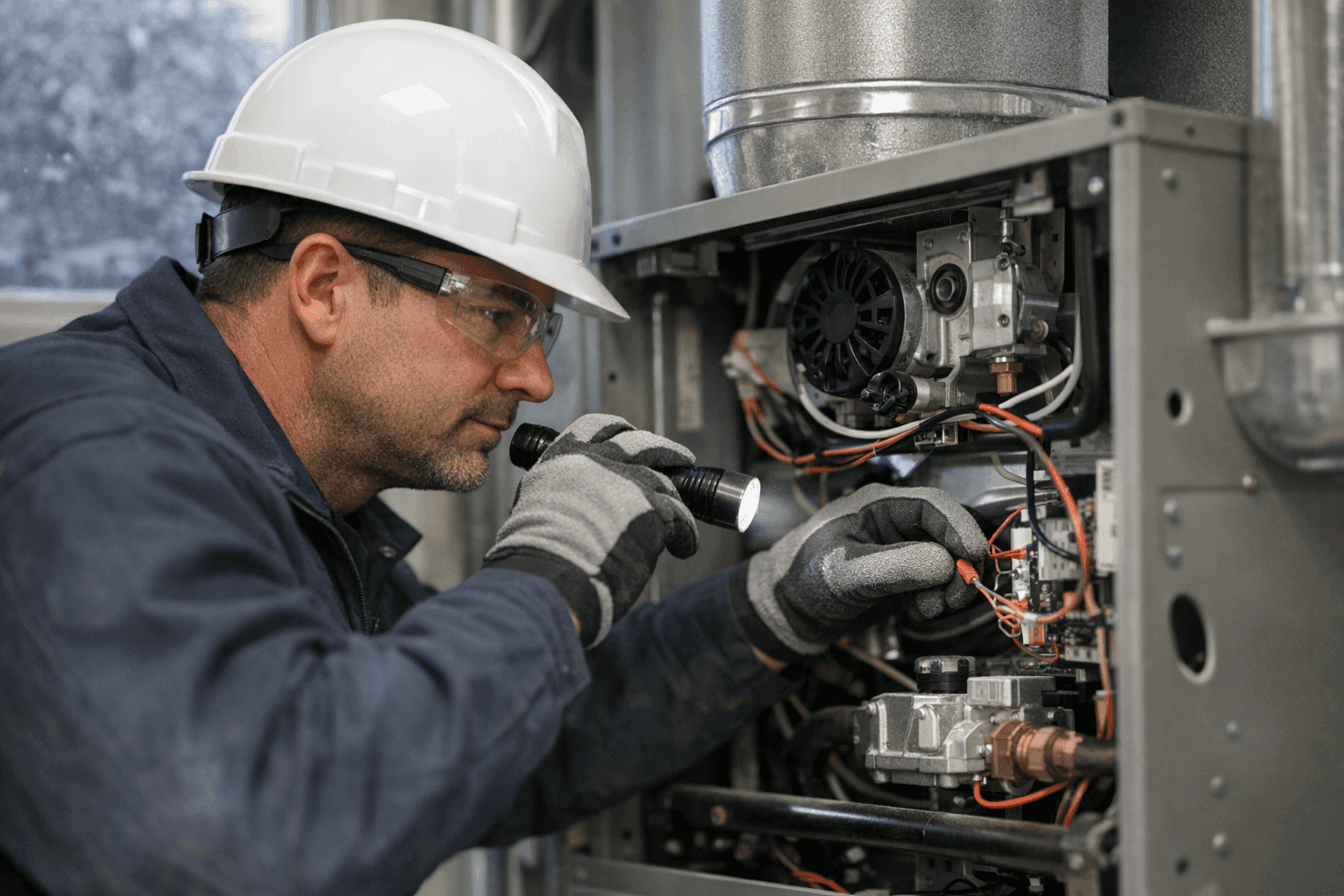
A professional tech doesn’t just poke around. Here’s what you can expect when you schedule service:
- Full system inspection—from the thermostat to the heat exchanger
- Testing for carbon monoxide leaks (as recommended by the CDC)
- Checking electrical connections for wear or corrosion
- Examining air flow and balancing your vents
- Inspecting and cleaning burners for safe, efficient operation
- Reviewing system controls to ensure proper cycling
A good technician leaves nothing to chance. That’s how heating failures get solved—fast.
Emergency Procedures: Staying Warm Until Help Arrives
Losing heat in winter is stressful, but you can stay safe with a few simple steps:
- Block drafts with towels or blankets along windows and doors
- Gather everyone in one room to conserve heat
- Use battery-powered lights instead of candles for safety
- Eat and drink warm things to help maintain body heat
- If you have a generator, use it outdoors only and follow all manufacturer instructions
If you’re in a commercial space, follow your building’s emergency plan and check that backup systems (like generators) are functioning.
Alternative Heat Sources: What’s Safe, What’s Not
When your main heat is out, alternatives help—but not all are created equal.
Safe options:
- Electric space heaters (with tip-over protection)
- Wood-burning or gas fireplaces (inspected and vented)
- Extra blankets and sleeping bags
Never use:
- Ovens or stovetops for heat
- Propane or charcoal grills indoors
- Unvented kerosene heaters (unless approved for indoor use)
Refer to the National Fire Protection Association (NFPA) guidelines for heating safety.
Geothermal: The Resilient Winter Workhorse
If you’re considering upgrading, geothermal systems are among the most reliable for winter heating. Buried loops tap into steady underground temperatures, making them less likely to fail during extreme cold. Maintenance is straightforward, and they’re less prone to freezing or power surge issues than traditional systems.
Learn more about geothermal and how it can future-proof your home or business.
When Is It a True Emergency?
Some heating failures can wait a day. Others need immediate action. It’s an emergency if:
- The indoor temperature drops below 55°F and you can’t restore heat
- Vulnerable people (infants, elderly, sick) are present
- You smell gas or suspect a carbon monoxide leak
- Water pipes are at risk of freezing (below 32°F)
Don’t hesitate. 24 hour emergency HVAC service exists for a reason—safety can’t wait.
Costs and Time: What to Expect
Emergency repairs can cost more, especially after hours. Most fixes, like igniter or thermostat replacement, take 1–3 hours. Larger issues—like a blower motor failure or heat exchanger crack—may require parts and a return visit.
Upfront maintenance is almost always cheaper than a midwinter breakdown. And it helps you avoid the rush when everyone’s calling for help during a cold snap.
Common Mistakes That Lead to Winter Breakdowns
- Ignoring strange noises or smells
- Skipping annual maintenance
- Blocking vents with furniture
- Using the wrong filter size
- Delaying repairs “until it gets worse”
These little missteps can snowball into big problems. Don’t let a small hiccup turn into a full system freeze.
Seasonal Considerations: Preparing for Winter & Beyond 🧤
Before the first deep freeze, run through this checklist:
- Test your heating system in early autumn
- Stock up on filters and batteries
- Schedule a home energy audit for peace of mind
- Insulate attics, basements, and crawlspaces
- Prepare an emergency kit: blankets, flashlights, bottled water, backup charger
Smart preparation keeps surprises at bay—no more scrambling when the temperature drops.
FAQ: Winter Heating Failure
Q: How often should I have my system serviced?
A: At least once a year, ideally in early fall.
Q: Will my pipes freeze if the heat goes out?
A: If temps drop below freezing for several hours, pipes may freeze. Open cabinets and let faucets drip to help.
Q: What if my geothermal system stops working?
A: Check power and thermostat settings. If the issue persists, schedule service for prompt troubleshooting.
Q: Can I get same-day HVAC repair?
A: Most HVAC companies offer emergency service—call as soon as you notice trouble.
For more on our geothermal solutions, visit our city page.
Air Quality and Health: A Winter Priority
Heat isn’t the only thing at stake. Poor air flow and dirty filters can trigger allergies or asthma, especially when windows stay shut. Change filters regularly and ask about air scrubbers or dehumidifiers if your air feels stuffy or damp.
What Materials and Equipment Should I Have on Hand?
- Extra air filters (right size for your system)
- Flashlights and batteries
- Portable space heater (UL-listed)
- Carbon monoxide detector
- Basic toolkit (screwdrivers, pliers)
- Emergency contact list
Having these items ready makes any winter outage less daunting.
Timeline & Disruption: What to Expect During Repairs
Most residential heating repairs take less than a day. Large commercial systems or extensive damage may require more time—especially if specialty parts are needed. Your technician will explain any delays and help you plan for temporary heating if needed.
Winter can be unpredictable. Your HVAC system shouldn’t be. Keep your home or business safe, warm, and running smoothly—no matter what the forecast brings.
Call Best Indy HVAC now — or reach us anytime at 855-525-5859 .